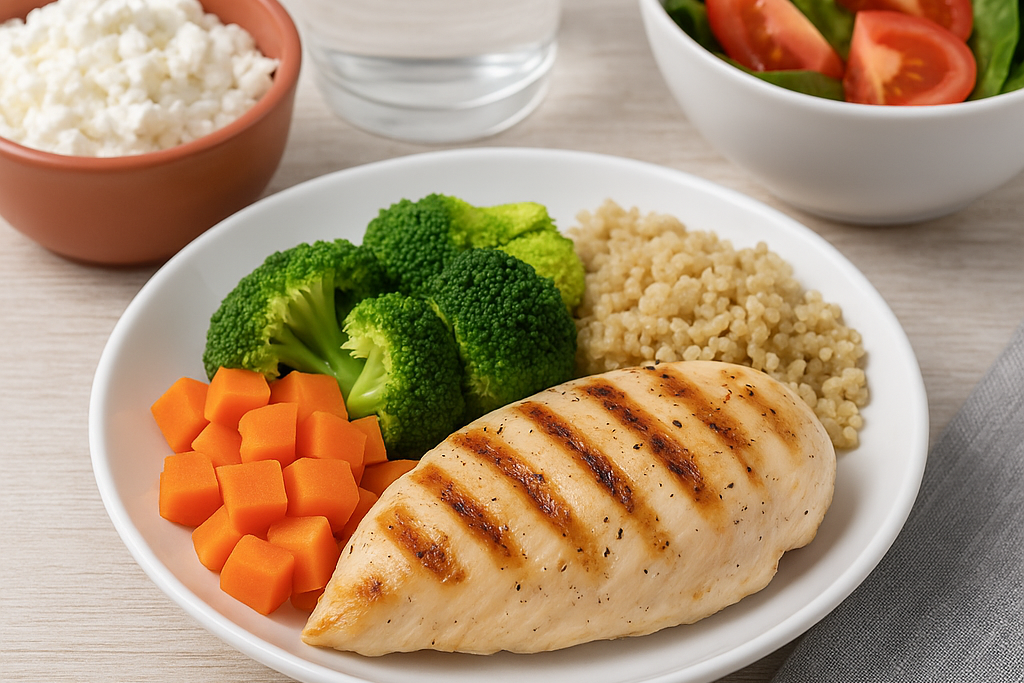
Bariatric surgery can be life-changing, offering a powerful tool to achieve significant and sustainable weight loss. But surgery is just the beginning — the real success depends on what happens after. One of the most common questions patients ask is: what to eat after bariatric surgery?
Eating after surgery isn’t about strict dieting or deprivation. It’s about nourishing your body with the right nutrients, rebuilding healthy habits, and supporting long-term weight management. This article explains how your eating pattern should evolve after surgery, why nutrition matters, and how to set yourself up for success.
Why What You Eat After Bariatric Surgery Matters
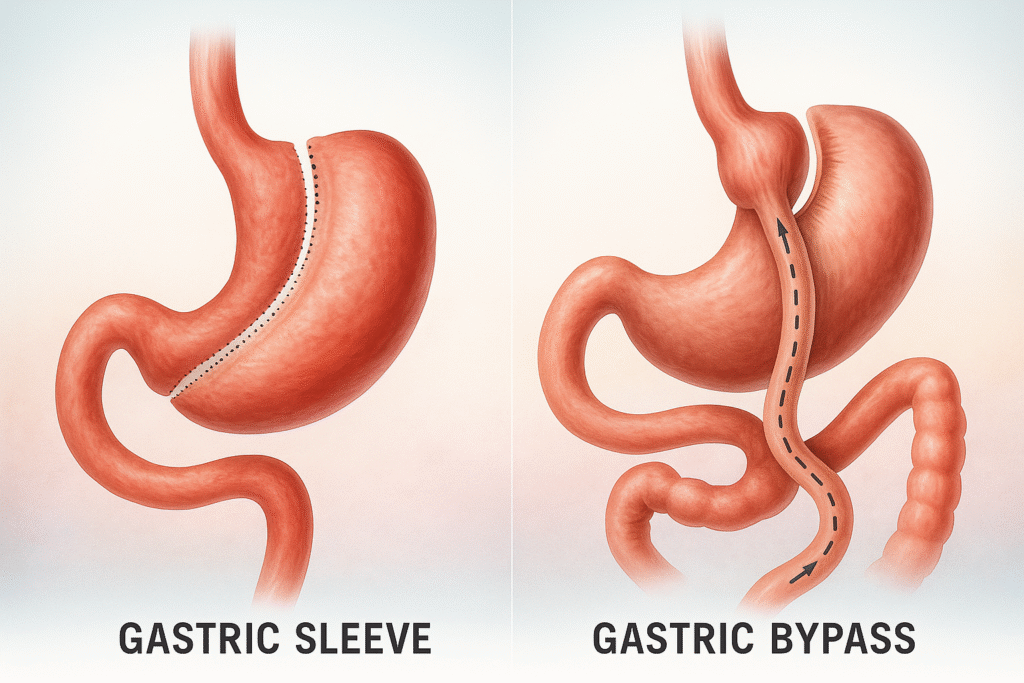
Bariatric surgery helps reduce food intake and alters how your body processes nutrients. However, it’s not a “magic fix.” If poor eating habits continue, weight regain and nutrient deficiencies can occur.
After surgery, your stomach is smaller, and your body needs time to adjust. Eating well ensures proper healing, maintains muscle mass, and prevents complications such as dumping syndrome, dehydration, and malnutrition.
Understanding what to eat after bariatric surgery helps patients:
- Support wound healing and recovery.
- Maintain stable energy levels.
- Meet daily protein, vitamin, and mineral requirements.
- Achieve long-term weight loss without compromising health.

The Four Stages of Eating After Bariatric Surgery
Your post-surgery diet progresses through several stages. Following your healthcare team’s guidance during each stage is crucial.
1. Clear Liquid Stage (First Few Days)
In the first few days, only clear fluids are allowed. These include water, broth, sugar-free jelly, and electrolyte drinks. This stage prevents dehydration while allowing your stomach to heal.
Tips:
- Sip slowly — aim for small, frequent sips throughout the day.
- Avoid carbonated and sugary drinks.
- Focus on hydration before introducing any solids.

2. Full Liquid Stage (Weeks 1–2)
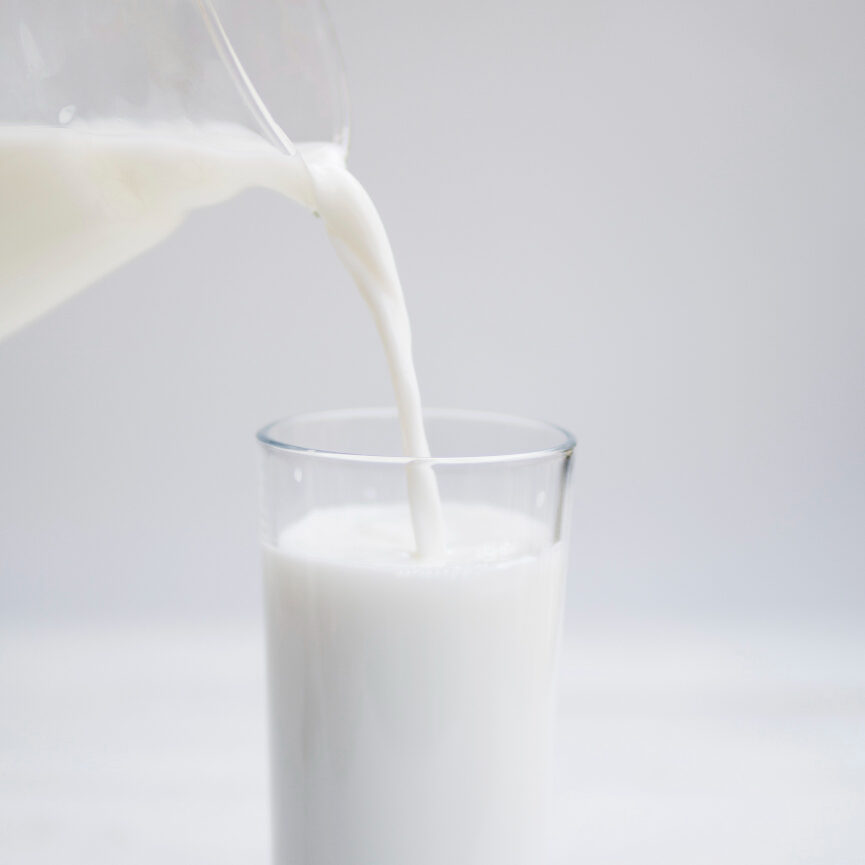
Once tolerated, you’ll move on to thicker fluids such as protein shakes, smooth soups, and low-fat milk. The goal here is to start meeting protein goals to aid healing.
Tips:
- Choose high-protein liquids like whey protein shakes or soy milk.
- Avoid caffeine and sugary beverages.
- Continue to sip slowly and stop when feeling full.
3. Pureed Stage (Weeks 3–4)
This stage introduces blended or mashed foods. Think smooth porridge, mashed tofu, pureed chicken, or blended lentil soup. Textures should be soft and lump-free.
Tips:
- Eat slowly and chew thoroughly, even with pureed foods.
- Prioritise protein-rich choices — such as soft fish, eggs, and yogurt.
- Avoid spicy, fried, or fibrous foods that may irritate your stomach.

4. Soft and Solid Foods (After 1 Month)
Around the fourth week, soft solids can be added gradually. Foods like tender chicken, cooked vegetables, and soft fruits become part of your diet. By now, your stomach can tolerate more texture, but portion sizes remain small.
Tips:
- Eat small, frequent meals (4–6 times per day).
- Avoid drinking fluids 30 minutes before or after meals to prevent overfilling.
- Focus on balanced nutrition — lean protein, whole grains, fruits, and vegetables.

Nutrients That Matter Most
After bariatric surgery, your nutrient needs change. Here are the key priorities to keep in mind when deciding what to eat after bariatric surgery:
1. Protein
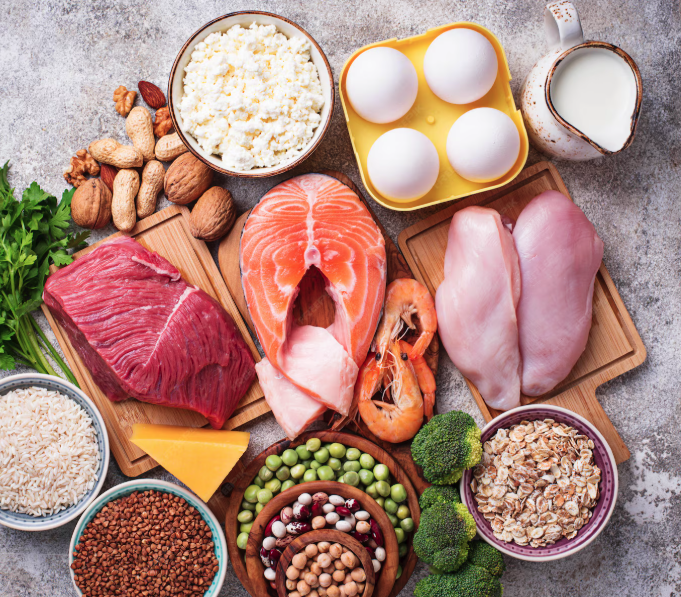
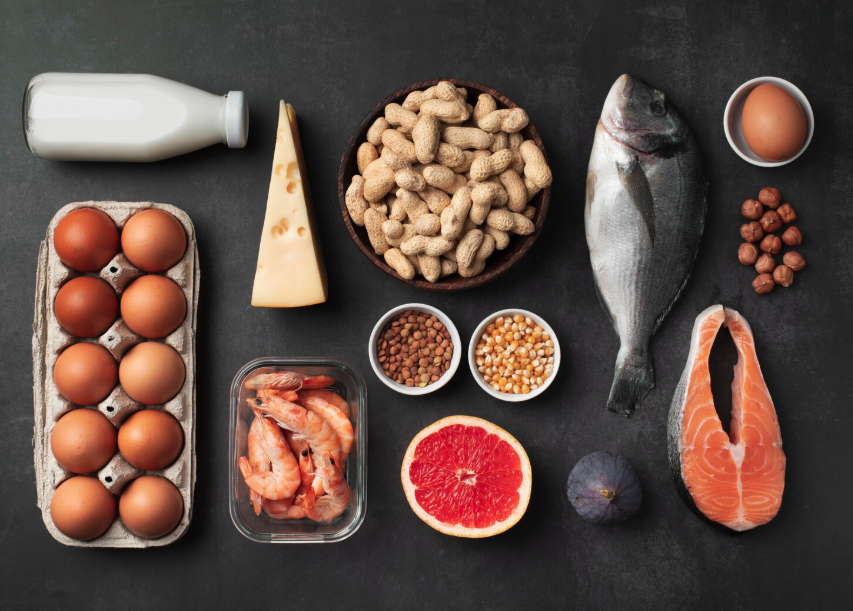
Protein supports tissue repair, preserves muscle, and enhances metabolism. Patients should aim for 60–80g per day, depending on individual needs.
Best sources: eggs, fish, lean chicken, tofu, Greek yogurt, and protein shakes.
2. Vitamins and Minerals
Due to reduced food intake and absorption, deficiencies can occur. Regular supplementation of iron, calcium, vitamin B12, and folate is often required.
Tip: Always follow your doctor or dietitian’s recommendation for supplements.
3. Fibre
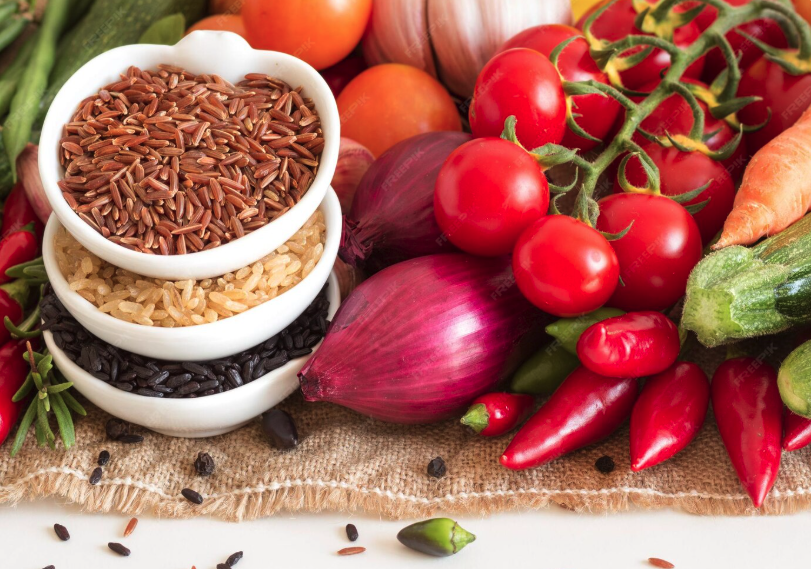
Once your stomach can tolerate it, include soluble fiber from fruits, vegetables, and oats. Fiber supports digestion and gut health but should be introduced slowly to prevent discomfort.
4. Fluids
Aim for at least 1.5–2 liters of fluids daily, sipping slowly throughout the day. Dehydration is common post-surgery, so hydration is key to recovery.

Healthy Eating vs. Dieting
It’s important to shift the mindset from “dieting” to “healthy eating.” Bariatric surgery doesn’t eliminate the need for mindful food choices — it simply makes it easier to eat less.
Instead of restriction, focus on nourishment:
- Eat protein first at each meal.
- Choose whole, minimally processed foods.
- Avoid high-sugar and fried foods.
- Listen to hunger and fullness cues.
This approach supports a healthy relationship with food and prevents the rebound effect often seen with strict diets.

Practical Tips for Long-Term Success
Here’s how to make your post-surgery journey smoother and more sustainable:
✅ Work with your healthcare team. Regular check-ins with your surgeon and dietitian ensure your nutrition and progress stay on track.
✅ Plan your meals. Prepare protein-rich snacks and meals in advance to avoid impulsive eating.
✅ Eat slowly and mindfully. Take 20–30 minutes per meal and stop eating once comfortably full.
✅ Monitor your progress. Track weight, energy, and nutrient intake to spot early signs of deficiencies.
✅ Stay active. Incorporate gentle physical activity as approved by your doctor to maintain muscle and improve metabolism.
The Bottom Line
Knowing what to eat after bariatric surgery is essential for recovery, long-term health, and sustainable weight loss. Surgery is a valuable tool, but lasting results depend on lifestyle changes, mindful eating, and continuous support from your healthcare team.
If you’ve had bariatric surgery or are considering it, consult a qualified metabolic surgeon and dietitian to design a nutrition plan that fits your body’s new needs.