

How to Talk to Someone About Their Weight Without Causing Harm
Knowing how to talk to someone about their weight can be difficult. Many people want to help a loved one improve their health but worry about saying the wrong thing. A conversation that begins with good intentions can sometimes leave the other person feeling judged, embarrassed, or defensive. When approached with empathy and respect, however, … Read more
D2 Surgery for Stomach Cancer: What Patients Need to Know
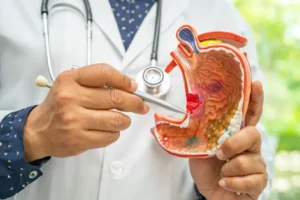
A diagnosis of stomach cancer often brings many questions, especially when surgery is recommended. One term patients may hear is D2 surgery for stomach cancer. While it may sound technical, understanding what it involves can help patients make informed decisions about their treatment. Unlike some operations that focus only on removing the tumour, D2 surgery … Read more

Recovery After Minimally Invasive Esophageal Surgery: What Patients Can Expect
Recovery after esophageal cancer surgery is an important part of the treatment journey. Modern minimally invasive techniques have changed how patients recover, allowing for a more structured approach that focuses on healing, mobility, nutrition, and follow-up care. Understanding what to expect can help patients prepare for each stage of recovery and participate actively in their … Read more
ESG Weight Loss Procedure: Common Questions Answered
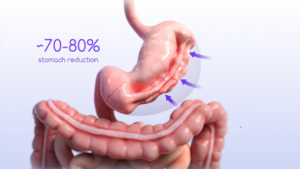
Weight loss can be challenging, especially for people who have tried multiple diets, exercise plans, or lifestyle programs without achieving lasting results. In recent years, the ESG weight loss procedure has gained attention as a minimally invasive option that may help suitable patients achieve meaningful weight loss. Despite its growing popularity, many people still have … Read more

Is ESG Safe? What Patients Should Know First
Endoscopic Sleeve Gastroplasty, commonly known as ESG, is becoming a more familiar option for people who are struggling with weight management. Because it does not involve external cuts or removal of the stomach, many patients see it as a less invasive option compared with traditional weight loss surgery. But an important question remains: is ESG … Read more

4 Common Mistakes After ESG That May Slow Your Progress
Endoscopic Sleeve Gastroplasty, commonly known as ESG, is a weight management procedure that helps reduce the size of the stomach without removing any part of it. Mistakes after ESG can quietly affect weight loss progress, especially when small habits slowly return after the procedure. Endoscopic Sleeve Gastroplasty, or ESG, can be a helpful tool for … Read more

Chronic Acid Reflux Treatment: When Medication Isn’t Enough
Introduction Chronic acid reflux treatment is often overlooked until symptoms begin to interfere with daily life. While many people rely on medication for relief, needing treatment almost every day may signal a deeper issue that requires proper medical attention. Many individuals depend on acid-suppressing medication, only to find symptoms returning once they stop. This cycle … Read more

Fatty Liver Treatment: Can Surgery Help Improve Liver Health?
Introduction Fatty liver treatment is often overlooked because many people do not experience symptoms in the early stages. However, this condition can silently progress over time, even when a person feels completely well. Without proper management, it may lead to more serious liver complications. While lifestyle changes remain the first step, some individuals may benefit … Read more
Weight Loss Surgery for Fatty Liver: What Patients Should Know
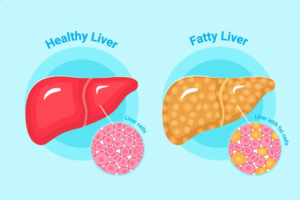
Fatty liver disease is common, especially in people with overweight and insulin resistance. For some patients, weight loss surgery for fatty liver may be considered when lifestyle changes are not enough. The challenging part is that many people feel completely normal, even when fat is building up inside the liver. A routine blood test or … Read more
Bariatric Surgery and Heart Health: More Than Just Weight Loss
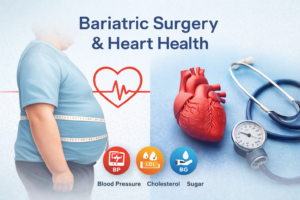
Many people think bariatric surgery is only about the number on the scale. But for patients living with obesity, the “bigger win” can be what happens inside the body, especially to the heart. Improving heart related numbers like blood pressure, cholesterol, triglycerides, and blood sugar control can make a meaningful difference to long term health. … Read more
