
Recovery after esophageal cancer surgery is an important part of the treatment journey. Modern minimally invasive techniques have changed how patients recover, allowing for a more structured approach that focuses on healing, mobility, nutrition, and follow-up care. Understanding what to expect can help patients prepare for each stage of recovery and participate actively in their rehabilitation.
What Is Minimally Invasive Esophageal Surgery?
Before discussing recovery after minimally invasive esophageal surgery, it helps to understand what makes this approach different.
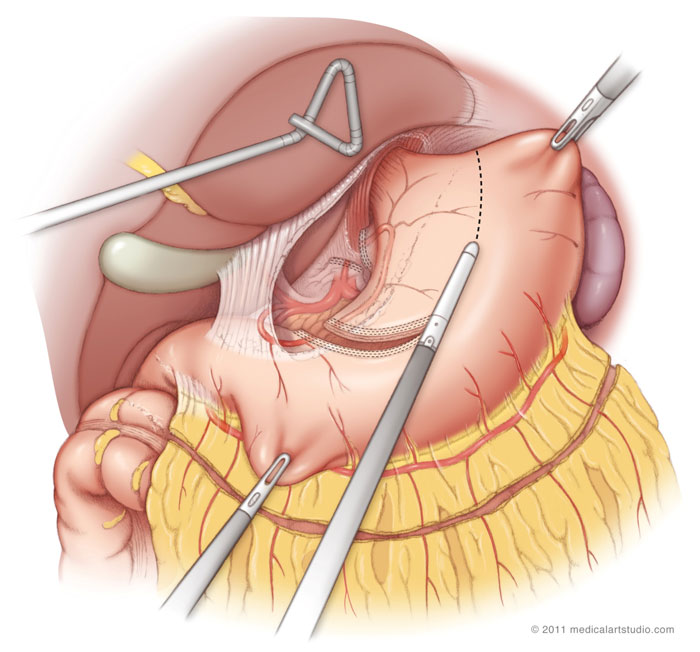
In traditional open surgery, surgeons make larger incisions to access the surgical area. In contrast, minimally invasive esophageal surgery uses small openings and specialised instruments, often guided by a camera or robotic technology.
These techniques allow surgeons to perform complex procedures while minimising trauma to surrounding tissues. As a result, many patients experience a smoother recovery process compared to traditional approaches.
Why Recovery After Minimally Invasive Esophageal Surgery Is Different
Many patients assume they will spend weeks confined to bed after surgery. However, modern recovery programmes focus on helping patients regain strength and independence as early as possible.
Healthcare teams typically follow structured recovery pathways that encourage movement, gradual nutrition, and close monitoring. This approach supports healing while reducing the risk of complications associated with prolonged inactivity.
As a result, recovery after minimally invasive esophageal surgery often involves steady progress through carefully planned stages.
Pain and Comfort During Recovery After Esophageal Cancer Surgery
One of the biggest advantages of minimally invasive techniques is the use of smaller wounds.
Why Smaller Incisions Matter
Keyhole and robotic surgery require much smaller incisions than traditional open procedures. Smaller wounds generally cause less disruption to muscles and surrounding tissues.
Because of this, many patients experience better comfort during recovery after minimally invasive esophageal surgery.
While every patient experiences pain differently, reduced surgical trauma can make activities such as sitting up, walking, and breathing exercises more manageable.

Early Movement During Recovery After Esophageal Cancer Surgery
Movement is a key part of modern surgical recovery.
Benefits of Sitting Up and Walking Early
Healthcare teams often encourage patients to sit up, stand, and begin walking as soon as it is safe to do so.
Early movement can help:
- Improve circulation
- Support lung function
- Reduce the risk of complications
- Promote overall recovery
Rather than staying in bed for extended periods, patients gradually increase their activity levels under medical supervision.
For many people, this structured approach becomes an important part of recovery after minimally invasive esophageal surgery.

Eating and Drinking During Recovery After Esophageal Cancer Surgery
Eating after esophageal surgery requires careful planning.
How Nutrition Progresses After Surgery
The digestive system needs time to adjust following surgery. For this reason, healthcare teams usually restart feeding gradually.
Patients often progress through several stages, which may include:
- Liquids
- Soft foods
- More solid foods as tolerated
The exact timeline varies depending on the individual procedure and recovery progress.
By introducing food step by step, doctors help the body adapt safely while supporting nutritional needs during recovery after minimally invasive esophageal surgery.

Hospital Stay During Recovery After Esophageal Cancer Surgery
Many patients ask how long they will remain in hospital.
When Can Patients Go Home?
The answer depends on several factors, including overall health, the type of surgery performed, and how smoothly recovery progresses.
However, many patients can return home within approximately one to two weeks after surgery if recovery remains on track.
Doctors monitor several factors before discharge, including:
- Pain control
- Mobility
- Nutritional intake
- Wound healing
- General recovery progress
A successful discharge marks an important milestone in recovery after minimally invasive esophageal surgery.

Why Follow-Up Care Matters
Recovery does not end when a patient leaves the hospital.
Follow-Up After Esophageal Surgery
Regular follow-up appointments allow healthcare teams to monitor healing and identify concerns early.
During these visits, doctors may:
- Assess recovery progress
- Review nutrition and weight
- Monitor symptoms
- Evaluate wound healing
- Discuss any ongoing concerns
These appointments help ensure that patients continue progressing safely after returning home.
For this reason, follow-up care remains an essential part of recovery after minimally invasive esophageal surgery.

Who Should Learn More About the Recovery Process?
Patients who have been advised to undergo esophageal surgery can benefit from understanding what recovery involves before the procedure takes place.
Learning about mobility, nutrition, hospital stay expectations, and follow-up care helps patients prepare both physically and mentally.
Family members and caregivers may also find this information useful, as they often play an important role in supporting recovery at home.

Preparing for Recovery After Minimally Invasive Esophageal Surgery
Every patient’s recovery journey is unique. Factors such as age, overall health, underlying medical conditions, and the complexity of surgery can all influence recovery timelines.
However, modern minimally invasive techniques have helped many patients experience a smoother and more structured recovery process than they initially expected.
By understanding the stages of recovery after minimally invasive esophageal surgery, patients can approach treatment with greater confidence and realistic expectations.
If you have been advised to undergo esophageal surgery or would like to understand your treatment options, consult a qualified Consultant General and Upper GI Surgeon. A personalised discussion can help you prepare for surgery, understand the recovery process, and make informed decisions about your care.
