
Weight loss can be challenging, especially for people who have tried multiple diets, exercise plans, or lifestyle programs without achieving lasting results. In recent years, the ESG weight loss procedure has gained attention as a minimally invasive option that may help suitable patients achieve meaningful weight loss.
Despite its growing popularity, many people still have questions about what ESG is, who it is suitable for, and what results to expect. Understanding the facts can help patients make more informed decisions about their health.
What Is the ESG Weight Loss Procedure?
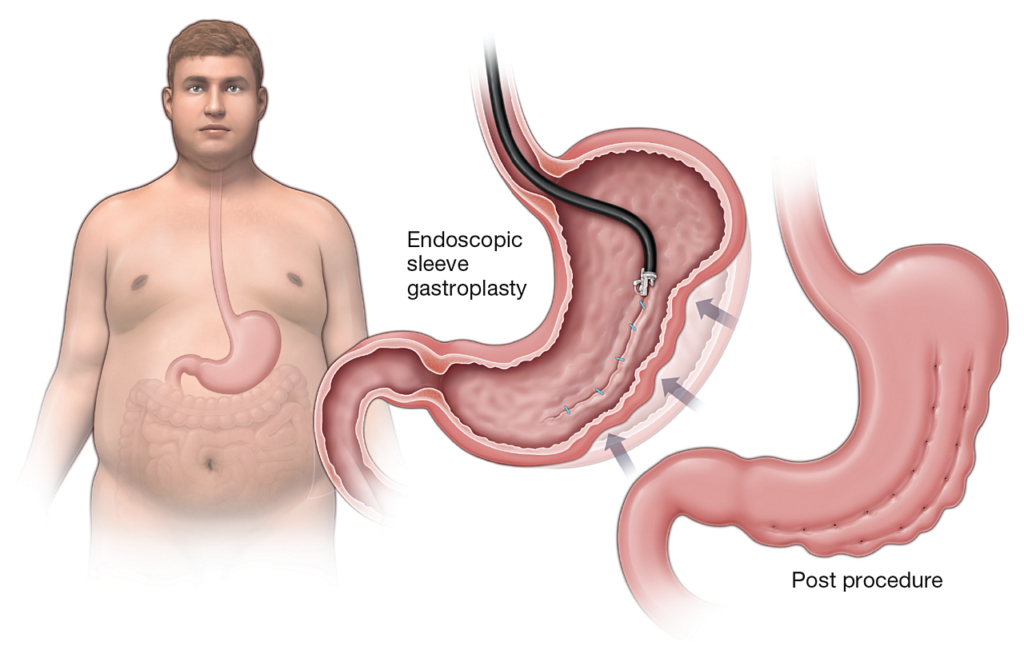
Endoscopic Sleeve Gastroplasty (ESG) is a minimally invasive weight loss procedure. Doctors perform ESG using a flexible endoscope that passes through the mouth into the stomach. The procedure reduces stomach size without external cuts or visible scars.
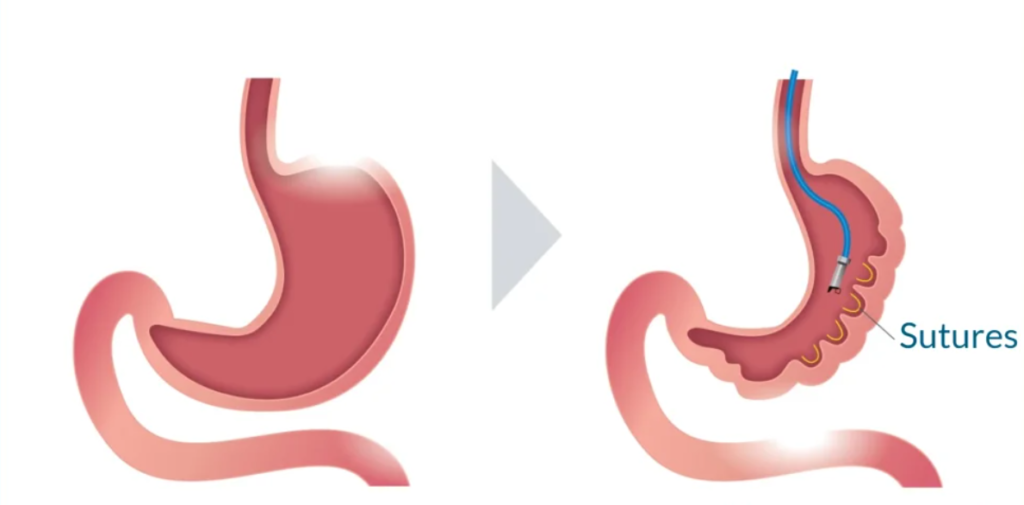
During ESG, doctors place internal sutures to fold and reshape the stomach. This reduces the amount of food the stomach can hold and helps patients feel full sooner.
Unlike traditional surgery, doctors do not remove any part of the stomach during ESG.
Is ESG Considered Surgery?
Doctors classify ESG as a minimally invasive endoscopic procedure rather than traditional surgery.
They perform the procedure through the mouth, which removes the need for external incisions. This approach reduces surgical trauma compared to open or laparoscopic surgery.
Even though ESG does not involve external cuts, doctors still treat it as a medical procedure that requires careful assessment, preparation, and follow-up.
How Long Do ESG Weight Loss Procedure Results Last?
Doctors design ESG to provide long-term weight management support.
The stomach folds created during the ESG weight loss procedure support long-term restriction of food intake. However, individual results vary depending on lifestyle habits.
Doctors may recommend revision procedures in some cases if weight regain occurs or if results decrease over time.
Long-term success depends heavily on diet, physical activity, and regular medical follow-up.

Does the ESG Weight Loss Procedure Remove the Stomach?
No.
Unlike sleeve gastrectomy, where a portion of the stomach is surgically removed, the ESG weight loss procedure works by folding and suturing the stomach internally.
The stomach remains intact and is not removed from the body.
This distinction is important because many patients mistakenly assume ESG involves cutting away part of the stomach. In reality, the goal is to reduce stomach capacity while preserving the organ itself.
Who Is a Good Candidate for the ESG Weight Loss Procedure?
Patient selection is an important part of achieving good outcomes.
Generally, ESG may be considered for individuals with a Body Mass Index (BMI) between 30 and 40 who have struggled to achieve sustainable weight loss through lifestyle changes alone.
However, BMI is only one factor considered during assessment.
Doctors also evaluate:
• Overall health status
• Weight loss history
• Existing medical conditions
• Eating patterns and lifestyle habits
• Personal weight loss goals
A thorough consultation helps determine whether the ESG weight loss procedure is the most appropriate option or whether another treatment approach may be more suitable.

ESG Recovery Time: What to Expect After the Procedure
Recovery is often quicker than many patients expect.
Most patients are able to return home on the same day as the procedure. Many can resume office-based work and normal daily activities within a few days, depending on their individual recovery progress.
During the recovery period, patients usually follow a structured dietary plan that gradually progresses from liquids to soft foods before returning to regular meals.
Following these guidelines carefully helps support healing and optimise results.

Can Weight Return After ESG?
Yes.
Like any weight management treatment, weight regain can occur if healthy habits are not maintained.
By reducing stomach capacity, the ESG weight loss procedure helps patients feel satisfied with smaller portions.
Long-term lifestyle habits still play a major role in maintaining results.
Common contributors to weight regain include:
• Frequent overeating
• High calorie liquid consumption
• Lack of physical activity
• Poor dietary habits
• Skipping follow-up appointments
Consistent behavioural changes and professional support often help patients achieve more sustainable outcomes.

Why Is Follow-Up Important?
Follow-up care plays a critical role in the success of the ESG weight loss procedure.
During regular reviews, healthcare professionals can monitor progress, identify challenges early, and provide personalised guidance.
Typical follow-up appointments may include:
• Weight monitoring
• Nutritional counselling
• Lifestyle coaching
• Assessment of symptoms or concerns
Ongoing support often helps patients stay motivated and maintain healthier habits over the long term.

ESG or Weight Loss Injections: Which Is Better?
There is no single answer that applies to everyone.
Choosing between ESG and weight loss injections depends on several factors, including a person’s health condition, weight loss goals, lifestyle preferences, and medical history.
For some individuals, one option may be more suitable than the other.
In certain cases, both treatments can be combined as part of a comprehensive weight management plan.
Ultimately, a personalised assessment helps determine the most appropriate strategy.
Conclusion
The ESG weight loss procedure offers a minimally invasive option for suitable patients who struggle with long-term weight management. It does not involve removing the stomach, usually allows for relatively quick recovery, and can support meaningful weight loss when combined with healthy lifestyle changes.
However, ESG is not a shortcut or a standalone solution. Success depends on careful patient selection, realistic expectations, ongoing follow-up, and a commitment to long-term habits.
Anyone considering the ESG weight loss procedure should seek professional medical advice to understand their options and determine the safest and most effective approach for their individual needs. Consulting a qualified Consultant General and Upper GI Surgeon can help patients make informed decisions and build a personalised treatment plan.
