
Introduction
Chronic acid reflux treatment is often overlooked until symptoms begin to interfere with daily life. While many people rely on medication for relief, needing treatment almost every day may signal a deeper issue that requires proper medical attention.
Many individuals depend on acid-suppressing medication, only to find symptoms returning once they stop. This cycle can be frustrating and disruptive, especially when sleep, eating, and overall quality of life are affected.

Understanding Chronic Acid Reflux Treatment Options
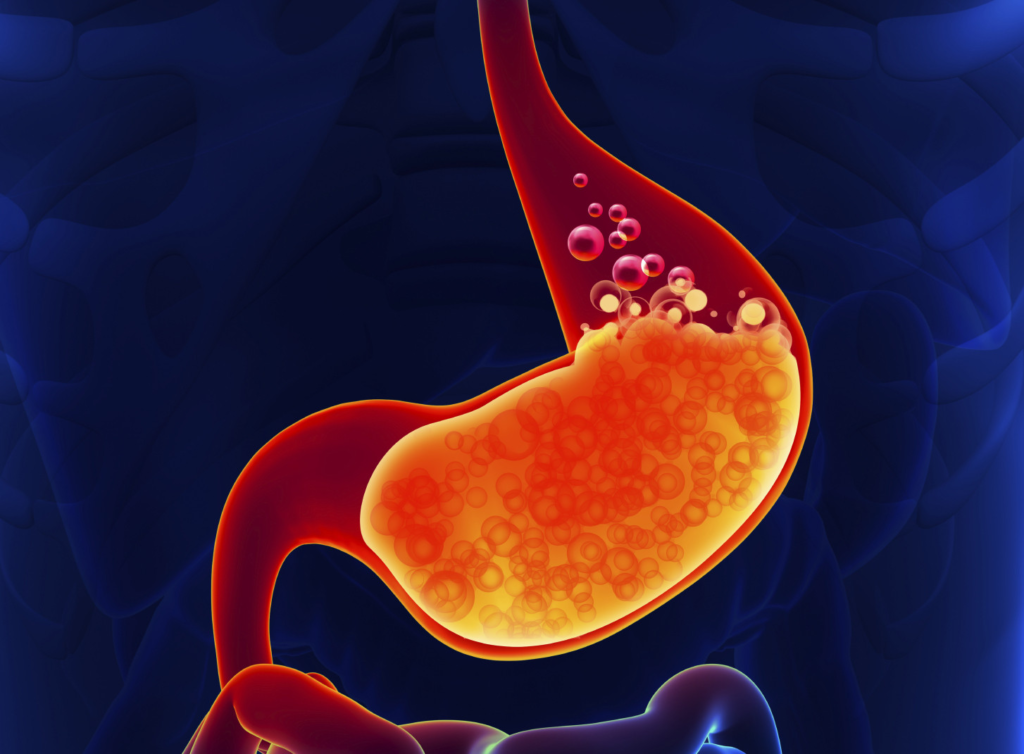
Chronic acid reflux, also known as gastroesophageal reflux disease (GERD), occurs when stomach acid flows back into the oesophagus (food pipe). This backflow leads to common symptoms such as:
- A burning sensation in the chest (heartburn)
- A sour or acidic taste in the throat
- Discomfort after meals or when lying down
At the centre of this condition is a structure known as the lower oesophageal sphincter (LES)—a muscular “doorway” between the stomach and oesophagus. In healthy individuals, this valve prevents stomach contents from flowing backward. However, when the LES becomes weak or relaxed, acid can escape upward, causing irritation.
While medications can reduce the acidity of stomach contents, they do not always address the underlying mechanical issue. This is why many patients continue to struggle despite consistent use of medication, highlighting the importance of exploring comprehensive chronic acid reflux treatment options.
Why Medication Alone May Not Be Enough for Chronic Acid Reflux Treatment
Acid-reducing medications, such as proton pump inhibitors (PPIs), are often the first line of treatment. They are effective in reducing symptoms and allowing the oesophagus to heal. However, they have limitations.
Medication works by lowering acid production, but it does not “fix” the weak valve that allows reflux to occur in the first place. As a result:
- Symptoms may return when medication is stopped
- Long-term dependence on medication may develop
- The root cause remains unaddressed
For individuals experiencing persistent or recurring symptoms, relying solely on medication may not provide lasting relief. This is where a more targeted approach to chronic acid reflux treatment becomes important.

Chronic Acid Reflux Treatment Beyond Medication
Advancements in medical care now offer additional solutions for patients who do not respond well to conventional therapy. These options aim to correct or support the function of the LES, reducing the frequency and severity of reflux.
1. Lifestyle and Dietary Modifications
Although often recommended early, lifestyle changes remain a key component of treatment:
- Avoiding trigger foods (e.g., spicy, fatty, or acidic foods)
- Eating smaller, more frequent meals
- Not lying down immediately after eating
- Elevating the head during sleep
- Maintaining a healthy body weight
These strategies can complement other forms of chronic acid reflux treatment, but may not be sufficient on their own in more severe cases.

2. Minimally Invasive Procedures
For suitable patients, minimally invasive procedures can help strengthen the LES. These treatments aim to reduce reflux by improving the barrier between the stomach and oesophagus.
Examples include endoscopic or surgical techniques designed to:
- Tighten the junction between the stomach and oesophagus
- Reinforce the natural anti-reflux barrier
- Reduce the need for long-term medication
Such procedures are typically considered only after a thorough medical evaluation, including diagnostic tests to confirm the severity and cause of reflux.

3. Personalised Medical Assessment
Not all reflux is the same. A tailored approach is essential for effective chronic acid reflux treatment. Healthcare professionals may recommend tests such as:
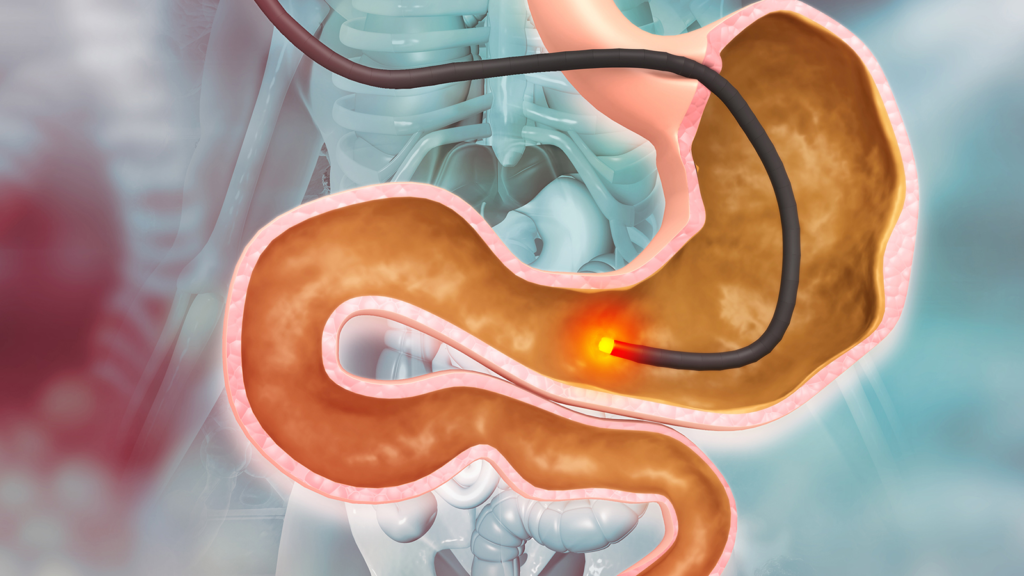
- Endoscopy to examine the oesophagus
- pH monitoring to measure acid exposure
- Manometry to assess muscle function
These investigations help determine whether symptoms are due to acid reflux, a motility disorder, or another condition altogether.
When to Seek Help for Chronic Acid Reflux Treatment
While occasional reflux is common, certain symptoms should never be ignored. These may indicate complications or more serious conditions requiring urgent care.
Red flags include:
- Difficulty or pain when swallowing
- Unexplained weight loss
- Vomiting blood
- Black or tarry stools
- Persistent symptoms despite daily medication
Individuals experiencing these warning signs should seek prompt evaluation. Early diagnosis plays a critical role in preventing complications and guiding appropriate chronic acid reflux treatment.

Practical Advice for Managing Symptoms
For those dealing with ongoing reflux, a few practical steps can make a meaningful difference:
- Keep a food and symptom diary to identify triggers
- Take medications exactly as prescribed
- Avoid self-adjusting or stopping treatment without medical advice
- Prioritise regular follow-ups with a healthcare provider
Importantly, patients should avoid “guessing” their treatment approach. Reflux symptoms can overlap with other gastrointestinal conditions, making professional assessment essential.

Conclusion
Chronic acid reflux is more than just a recurring inconvenience—it can significantly impact daily life and long-term health if left unmanaged. While medications provide relief for many, they may not be enough for everyone.
When symptoms persist or return after stopping medication, it may be time to explore other chronic acid reflux treatment options. A comprehensive evaluation can uncover the underlying cause and guide more effective, long-lasting solutions.
Anyone experiencing ongoing reflux symptoms or warning signs should consider consulting a qualified gastroenterologist or upper gastrointestinal surgeon. With the right diagnosis and personalised care plan, better symptom control—and improved quality of life—is within reach.
