Fatty liver disease is common, especially in people with overweight and insulin resistance. For some patients, weight loss surgery for fatty liver may be considered when lifestyle changes are not enough. The challenging part is that many people feel completely normal, even when fat is building up inside the liver. A routine blood test or ultrasound may show “fatty liver,” but without symptoms, it is easy to ignore.
However, fatty liver can progress over time. In some people, the liver becomes inflamed and develops scarring. If scarring becomes advanced, it can increase the risk of cirrhosis and liver cancer. That is why early action matters, and why treatment is not only about waiting and repeating tests.
This article explains what fatty liver is, how weight and metabolism affect the liver, and where weight loss surgery for fatty liver may fit as a medical option for selected patients.

What Fatty Liver Means
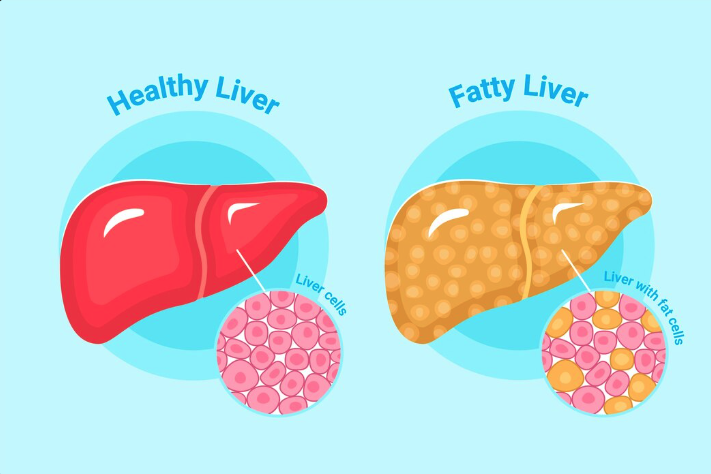
Fatty liver means extra fat has built up inside the liver cells. This is especially common in people with obesity and insulin resistance. When the body struggles to handle sugars and fats properly, more fat gets stored in the liver.
In many cases, fatty liver is discovered during a routine checkup. A scan may show fat in the liver, or liver blood tests may be higher than expected. Because the person feels well, they may not see it as urgent.
But fatty liver is not always “harmless fat.” In some people, the condition can progress.
Why Fatty Liver Can Get Worse Without Symptoms
One reason fatty liver is often missed is that early stages can be silent. People can feel fine while inflammation and scarring slowly develop. This is why doctors take fatty liver seriously when tests stay abnormal over time.
Progression can look like this:
- Fat builds up in the liver.
- The liver becomes irritated or inflamed.
- Scarring starts to form in the liver tissue.
- Over time, advanced scarring can lead to cirrhosis and higher long term risk.
Not everyone progresses to advanced stages, but because the early stages are quiet, it is safer to monitor and take action early.
The Link Between Weight, Insulin Resistance, and Fatty Liver
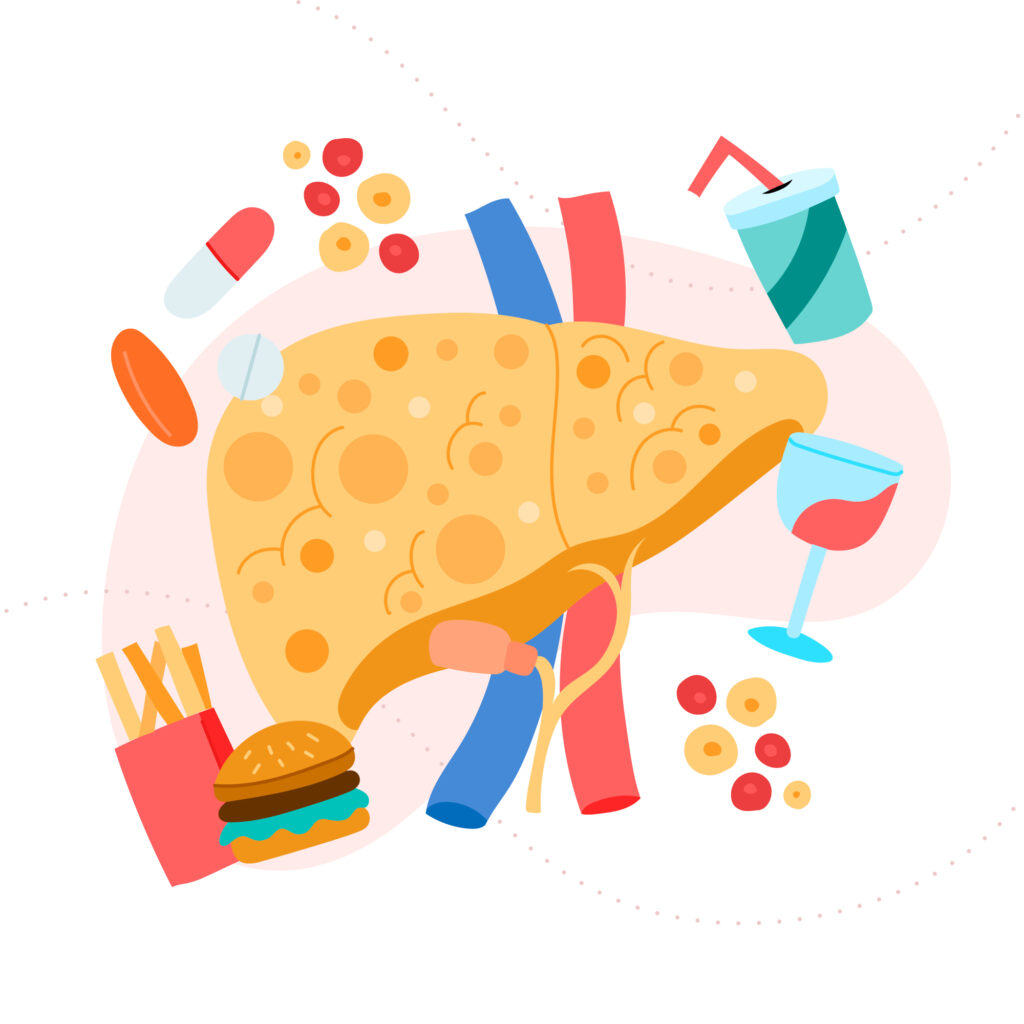
Fatty liver is strongly connected to metabolic health. In obesity and insulin resistance, the liver often gets “overloaded” with fat. This can also affect blood sugar control and blood fats, which adds more strain on the liver and the cardiovascular system.
This is where lifestyle changes often come first. Weight loss, improved diet quality, and regular activity can help reduce liver fat in many patients. But some people struggle to achieve and maintain meaningful weight loss long term.
That is why some patients ask whether medical treatments, including weight loss surgery for fatty liver, can help.
Can Weight Loss Improve Fatty Liver?
In many patients, when weight goes down, liver fat goes down too. Reduced liver fat can lead to:
- Lower liver inflammation.
- Improved liver blood tests.
- Reduced progression risk over time.
This is not a guarantee for every patient, but it is a well recognised pattern in clinical care. Even modest weight loss can benefit metabolic health, and larger, sustained weight loss may offer bigger improvements for some people.
Where Weight Loss Surgery Fits
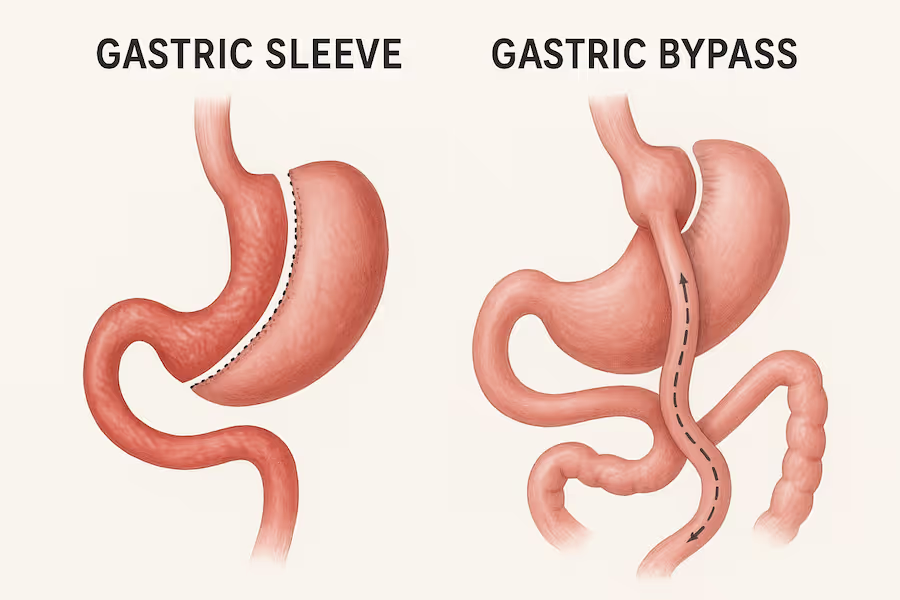
Bariatric surgery, also called metabolic surgery, is not only about weight. It is a medical tool that can support larger and more sustained weight loss in selected patients. For some, this can improve multiple metabolic risk factors that contribute to fatty liver.
The role of weight loss surgery for fatty liver is usually considered when:
- Excess weight is a major driver of metabolic health problems.
- Fatty liver is persistent or worsening over time.
- Lifestyle changes have not achieved long term, meaningful weight loss.
- There are other obesity related conditions such as diabetes, high blood pressure, or sleep apnea.
In the right patient, sustained weight loss after surgery can reduce liver fat and inflammation. It may also improve insulin control, which reduces ongoing strain on the liver.
Why Assessment and Monitoring Matter
Not every patient with fatty liver needs surgery. A proper medical assessment is essential to decide what is safe and appropriate.
A liver specialist may assess:
- Liver blood tests over time.
- Ultrasound findings or other imaging.
- Signs of possible liver scarring.
- Metabolic health factors such as blood sugar and lipid profile.
A bariatric surgeon may assess:
- Weight history and previous weight loss attempts.
- Overall health and surgical suitability.
- Readiness for follow up and lifestyle changes.
When surgery is considered, the medical team often monitors the liver before and after, to ensure treatment is done safely.

Weight Loss Surgery for Fatty Liver
Patients who have been told they have fatty liver can take steps that support liver health, regardless of whether surgery is being considered.
1) Do not ignore repeated abnormal tests
If liver tests stay high for months, it is worth reassessing and investigating further.
2) Treat the root drivers
For many patients, insulin resistance and excess weight are key drivers. Addressing diet, activity, and weight management can reduce liver fat.
3) Track progress with the right markers
Weight alone is not the only marker. Liver blood tests, scans, and metabolic markers are important.
4) Consider medical options when needed
If lifestyle changes are not enough, it may be worth discussing additional support, including medications or weight loss surgery for fatty liver for suitable patients.
5) Stay consistent with follow up
Fatty liver improves best when the plan is maintained long term. Follow up helps ensure progress is measured and adjustments are made early.
When to Seek Medical Advice Soon
Patients should consider getting checked sooner if:
- Liver blood tests stay high for months.
- Imaging suggests liver scarring.
These signs do not automatically mean serious disease, but they do mean a proper assessment should not be delayed.

Conclusion and Next Step
Fatty liver is common and often silent, but it can progress over time if the underlying drivers are not addressed. Weight and insulin resistance are major contributors, and sustained weight loss can reduce liver fat and improve inflammation in many patients.
For selected patients, weight loss surgery for fatty liver may be part of the solution, not as a shortcut, but as a medical tool that supports meaningful, long term weight change alongside lifestyle and follow up care.
If someone has fatty liver and is unsure about the safest next step, it is wise to consult a liver specialist and a bariatric surgeon for a personalised assessment and a clear plan.
