
Many people assume that weight loss after bariatric surgery happens simply because the stomach becomes smaller. While that is partly true, there’s another important reason why patients often notice a decrease in appetite: hormonal changes. One of the most important questions for patients is “How does bariatric surgery affect hunger?” — and the answer lies in how the surgery influences the body’s hunger hormones.
In this article, we’ll explore how bariatric surgery hunger changes after surgery, what role hormones play in appetite regulation, and why these mechanisms can help patients lose weight more effectively.

Understanding Hunger Hormones
Hunger is not controlled by willpower alone. In fact, appetite is regulated by several complex hormones in the body. The most important of these is ghrelin, commonly known as the “hunger hormone”.
Ghrelin is mainly produced in the upper part of the stomach. Its main role is to signal the brain when the body needs food. When ghrelin increases, you feel hungry and crave food. When ghrelin levels drop, your appetite becomes lower — even without trying.
This is why bariatric surgery hunger often changes dramatically soon after surgery. The operation doesn’t just alter anatomy; it affects the biology of hunger.
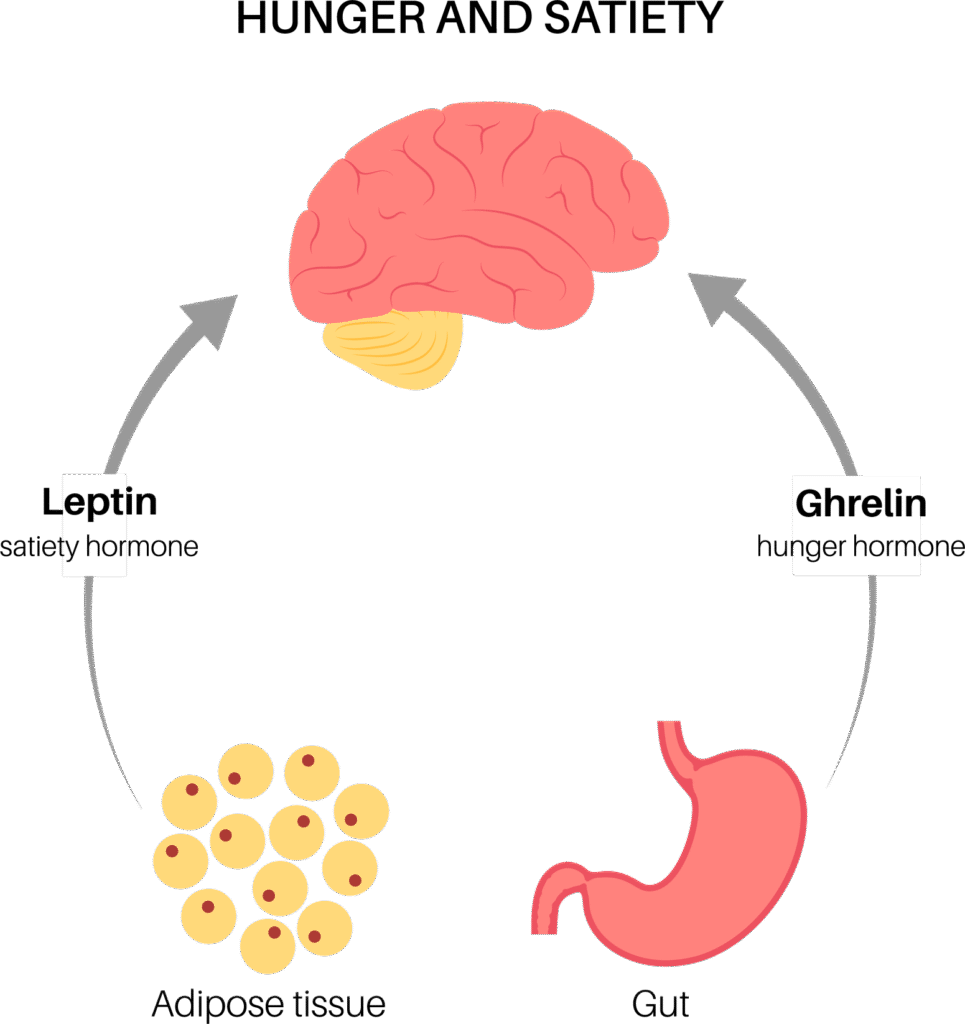
What Happens to Ghrelin After Bariatric Surgery?
Different types of bariatric surgery influence ghrelin levels in slightly different ways:
1. Sleeve Gastrectomy
During a sleeve gastrectomy, around 80% of the stomach (including the area that produces most ghrelin) is removed. The remaining “sleeve” produces far lower levels of the hunger hormone — which means patients usually feel less hungry even without consciously eating less.
This drop in ghrelin is often reported within days after surgery, even before significant weight is lost. That’s why many patients say they no longer think about food the way they did before surgery.
2. Gastric Bypass
Gastric bypass works slightly differently. Instead of removing part of the stomach, the surgeon creates a small pouch and reroutes part of the small intestine. While the upper portion of the stomach remains in place, the new pathway of food stimulates different intestinal hormones (including GLP-1) that promote fullness and satiety.
In other words, gastric bypass doesn’t necessarily lower ghrelin as much as sleeve surgery — but it changes other hormonal signals that help patients feel full faster and stay full for longer.
✅ Key takeaway: both types of bariatric surgery reduce overall hunger, either by lowering ghrelin (sleeve) or changing gut hormone signals (bypass).

Why Hormonal Changes Matter for Long-Term Success
One of the biggest misconceptions about bariatric surgery is that patients lose weight simply because they “can’t eat as much.” In reality, the change in hunger hormones is one of the key reasons why weight loss is more sustainable.
Here’s why it matters:
| Before Surgery | After Surgery |
|---|---|
| Higher ghrelin → constant hunger | Lower ghrelin → less hunger |
| Frequent cravings | Fewer cravings |
| Hard to stay full | Easier to feel full |
| Difficult to stay motivated | Appetite control becomes more natural |
Rather than relying on willpower alone, the body starts working with the patient—not against them.

Practical Tips: Supporting Hormonal Changes After Surgery
While bariatric surgery does the heavy lifting in changing hunger hormones, there are a few ways patients can support long-term hormonal balance after their operation:
1. Follow a structured eating plan
Eating balanced meals made up of lean protein, fibre and healthy fats will help support satiety hormones and prevent unnecessary spikes in appetite.
2. Avoid high-sugar foods
Refined sugars can trigger hormonal responses that increase hunger. Focus on whole foods where possible.
3. Stay active
Regular physical activity (even light walking) improves insulin sensitivity and can improve gut hormone regulation.
4. Attend regular follow-up appointments
Different patients respond differently. Follow-ups allow your doctor to monitor nutritional status and hormone-related changes over time.
5. Get enough sleep
Poor sleep has been shown to increase ghrelin levels. Make sleep a priority to protect your results.
These simple habits help maximise the benefits of bariatric surgery hunger hormones and ensure results are maintained long-term.

Final Thoughts: It’s Not Just About a Smaller Stomach
Bariatric surgery is often misunderstood as a quick physical fix, but it’s actually a complex metabolic treatment. By shifting bariatric surgery hunger hormones—particularly ghrelin—it changes the way the body experiences hunger, helping patients stay on track with healthy habits more easily.
If you’re considering bariatric surgery and want to understand whether this metabolic effect could help you, it’s important to speak with a qualified surgeon.
Interested in exploring your options?
Book a consultation with Dr. Pok Eng Hong to discuss which procedure may be most suitable for your needs and long-term goals.