If you’re researching gastric bypass vs sleeve gastrectomy, chances are you’re considering weight loss surgery and want to make the most informed decision possible. Both procedures have helped many individuals achieve significant and long-term weight loss, but they work in slightly different ways — and may be suitable for different types of patients.
In this guide, we’ll break down the differences between gastric bypass vs sleeve gastrectomy, how each procedure works, common benefits and risks, and how to decide which option is better for your individual situation.

What Are the Two Main Types of Bariatric Surgery?
Although there are several types of bariatric surgery, gastric bypass and sleeve gastrectomy are the two most commonly performed worldwide.
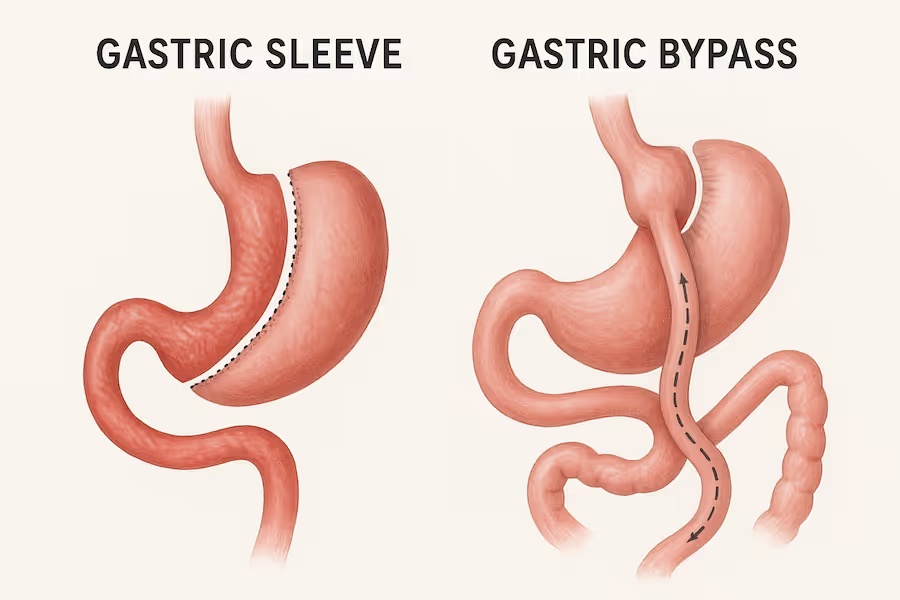
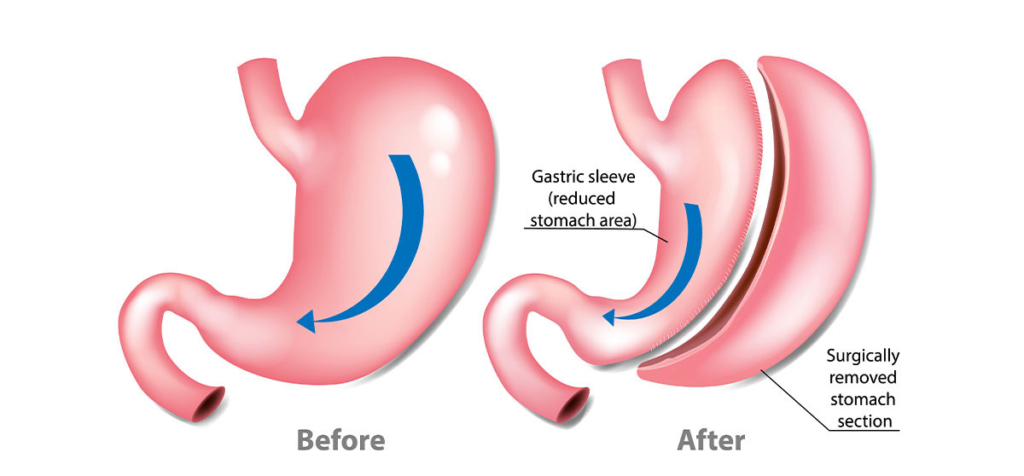
Gastric Sleeve (Sleeve Gastrectomy):
In a sleeve gastrectomy, approximately 80% of the stomach is surgically removed. The remaining stomach becomes a thin tube (or “sleeve”) that can hold less food.
This means you feel full sooner after smaller meals and naturally eat less.
Importantly, food still travels through the normal digestive pathway — no rerouting of the intestines is involved.
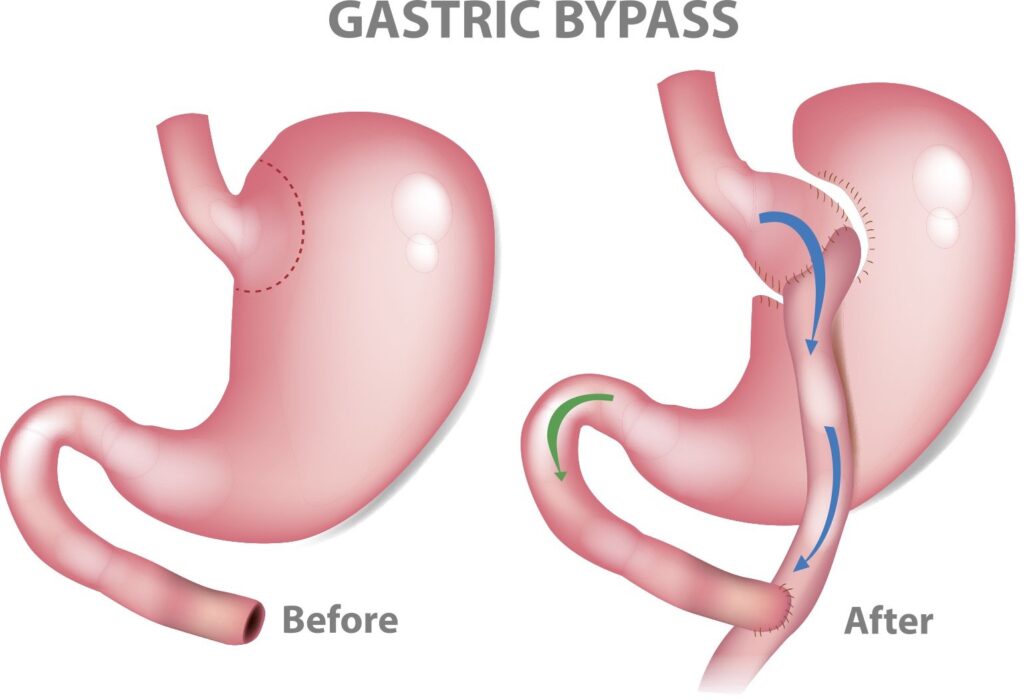
Gastric Bypass (Roux-en-Y Gastric Bypass):
A gastric bypass is slightly more complex. In this procedure, a small pouch is created at the top of the stomach. The small bowel (intestine) is then divided and attached to that pouch, effectively rerouting the digestive flow.
Food bypasses part of the stomach and the first segment of the small bowel.
This causes two major effects:
- You can only eat small amounts of food
- Fewer calories are absorbed in the intestine
Both surgeries are done using modern laparoscopic (keyhole) techniques, which means smaller incisions, less pain, and faster recovery time for most patients.
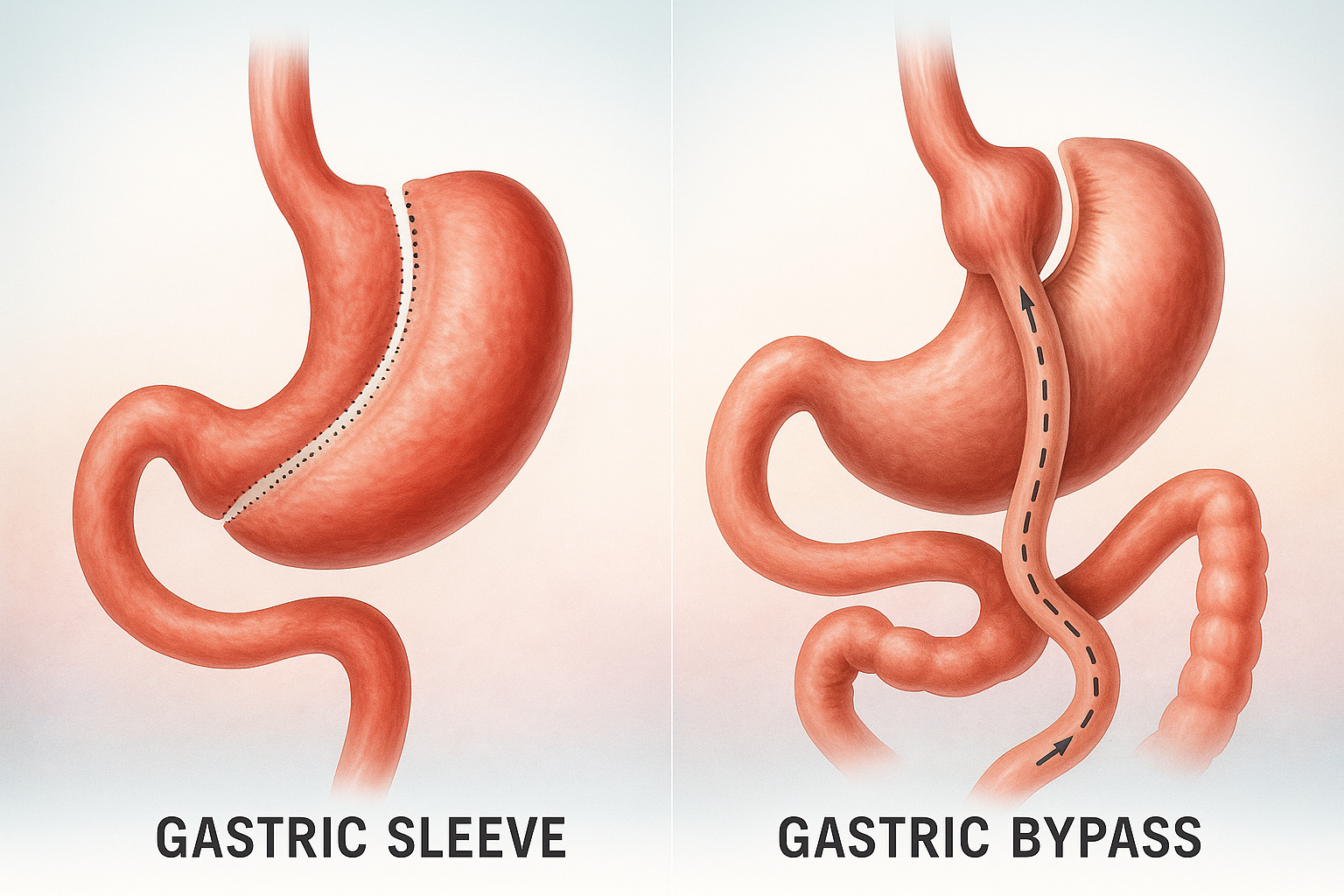
Gastric Bypass vs Sleeve Gastrectomy: Key Differences
| Feature | Gastric Sleeve | Gastric Bypass |
|---|---|---|
| Technique | Part of stomach removed | Small stomach pouch + intestine rerouted |
| Digestive Flow | Remains normal | Partially bypassed |
| Weight-loss Effect | Strong | Usually stronger |
| Diabetes Improvement | Good | Often excellent |
| Reflux (GERD) | Can worsen | Often improves |
| Surgical Complexity | Lower | Slightly higher |
| Long-Term Nutrient Deficiency | Lower risk | Higher risk (due to malabsorption) |
When Gastric Sleeve May Be the Better Option
A gastric sleeve may be more suitable for patients who:
✅ Prefer a simpler surgery with fewer long-term risks
✅ Do not have severe acid reflux or diabetes
✅ Want to avoid rerouting their intestines
✅ Are comfortable with slower, steady weight loss
✅ Prefer lower risk of vitamin and mineral deficiencies
Because food travels the normal route, digestion stays largely unchanged. The operation is typically shorter and, in general, easier to reverse or convert into another procedure later if necessary.
However, gastric sleeve surgery may worsen existing reflux in some patients. That’s an important factor to discuss with your surgeon during consultation.
When Gastric Bypass May Be the Better Option
A gastric bypass is often recommended for patients who:
✅ Have type 2 diabetes and require stronger metabolic effects
✅ Suffer from severe acid reflux (GERD)
✅ Need a more powerful tool to lose a larger amount of weight
✅ Have previously failed to lose weight after other bariatric methods
✅ Are able to commit to strict long-term follow-up and nutritional supplementation
Because of the way gastric bypass changes the gut hormones, it can very effectively lower blood sugar levels. In fact, some patients experience rapid diabetes improvement — even before substantial weight loss occurs.
However, the procedure requires lifelong vitamin supplementation (B12, iron, calcium, etc.) to prevent nutrient deficiencies.
Practical Tips Before You Choose
If you’re considering gastric bypass vs sleeve gastrectomy, here are a few practical steps you can take:
1. Look at your current health status
Do you have diabetes, severe reflux, or need to lose a very large amount of weight?
If so, gastric bypass may be a better fit.
2. Consider your lifestyle and long-term commitment
Gastric bypass requires more intensive long-term follow-up and nutritional care compared to the gastric sleeve. Ask yourself which approach you are more likely to maintain for years to come.
3. Think about your personal preferences
Some patients are uncomfortable with the idea of their intestines being rerouted, and prefer a gastric sleeve for that reason. Others are very focused on maximising metabolic health and are happy to accept the slightly higher complexity of a gastric bypass.
4. Speak to a qualified bariatric surgeon
The best way to decide between gastric bypass vs sleeve gastrectomy is to discuss your specific health profile with a surgeon experienced in both procedures.

Final Thoughts
There is no single “best” procedure when comparing gastric bypass vs sleeve gastrectomy. Both are safe, effective, and have helped thousands of patients reclaim their health. The key is choosing the option that best matches your medical condition, weight-loss goals, and lifestyle — in consultation with a qualified bariatric surgeon.
Still unsure which procedure is right for you?
Speak to Dr. Pok Eng Hong, Consultant General and Upper GI Surgeon, specialising in bariatric and metabolic surgery.
A detailed consultation will help determine the safest and most effective route towards long-term weight loss and better health.
👉 Ready to take the next step? Book your appointment today.
