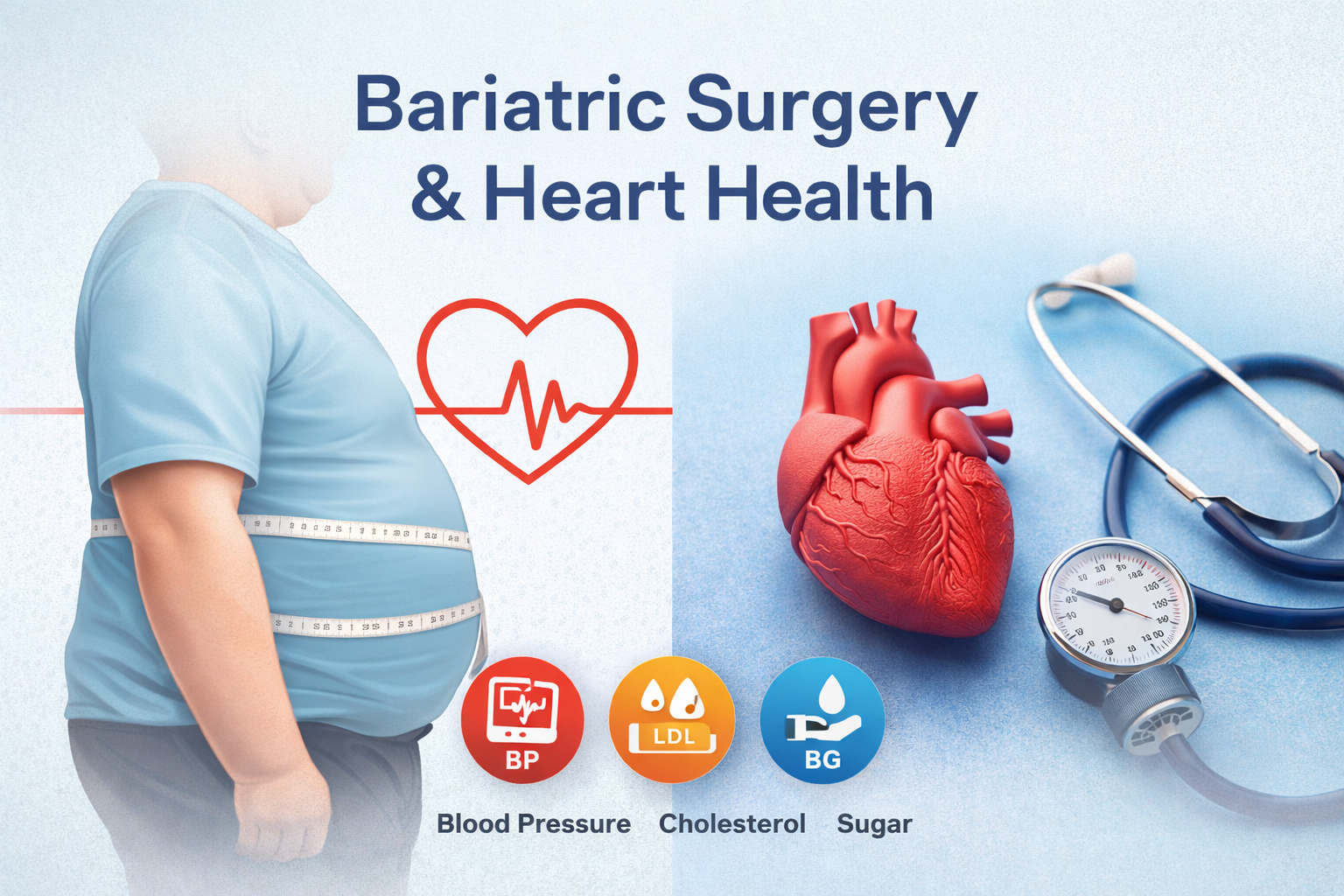
Many people think bariatric surgery is only about the number on the scale. But for patients living with obesity, the “bigger win” can be what happens inside the body, especially to the heart. Improving heart related numbers like blood pressure, cholesterol, triglycerides, and blood sugar control can make a meaningful difference to long term health.
This article explains the link between bariatric surgery and heart health, why extra weight strains the cardiovascular system, and how metabolic surgery may help some patients reduce risk factors with proper follow up and lifestyle changes.

Why Weight Affects the Heart Over Time
To understand bariatric surgery and heart health, it helps to understand why obesity increases heart strain in the first place.
Extra body fat does not just “sit there.” It can change how the body works in several ways:
- The heart has to pump harder to supply a larger body, increasing workload over time.
- Blood pressure often rises, because the blood vessels and heart are under more stress.
- Blood fats (like cholesterol and triglycerides) can become harder to control.
- Sugar control may worsen, which can affect blood vessel health and inflammation.
Over years, these changes can quietly increase cardiovascular risk, even in people who do not “feel” unwell day to day.
The Common Situation Many Patients Face
Clinicians often hear the same frustrations from patients:
“My blood pressure is climbing.”
“My cholesterol is stubborn.”
“I am trying hard, but the numbers are not coming down.”
This is not about lack of effort. Many patients do make changes, such as eating better and increasing activity, but the body’s metabolism and hormone signals can still make long term progress difficult. That is one reason why doctors may discuss metabolic surgery for suitable patients, not as a shortcut, but as a medical tool.
How Bariatric Surgery May Support Heart Health
So how does bariatric surgery and heart health connect in real life?
Bariatric surgery can lead to significant weight loss in many patients. When weight decreases, several heart related risk factors may improve too. These improvements vary from person to person, and they depend on consistent follow up and healthy routines after surgery.
1) Blood Pressure May Improve
After bariatric surgery, many patients see improvements in blood pressure. In some cases, medication needs may change over time. Any adjustment should only be done with medical guidance, because stopping or reducing medication too early can be unsafe.
2) Cholesterol and Triglycerides May Improve
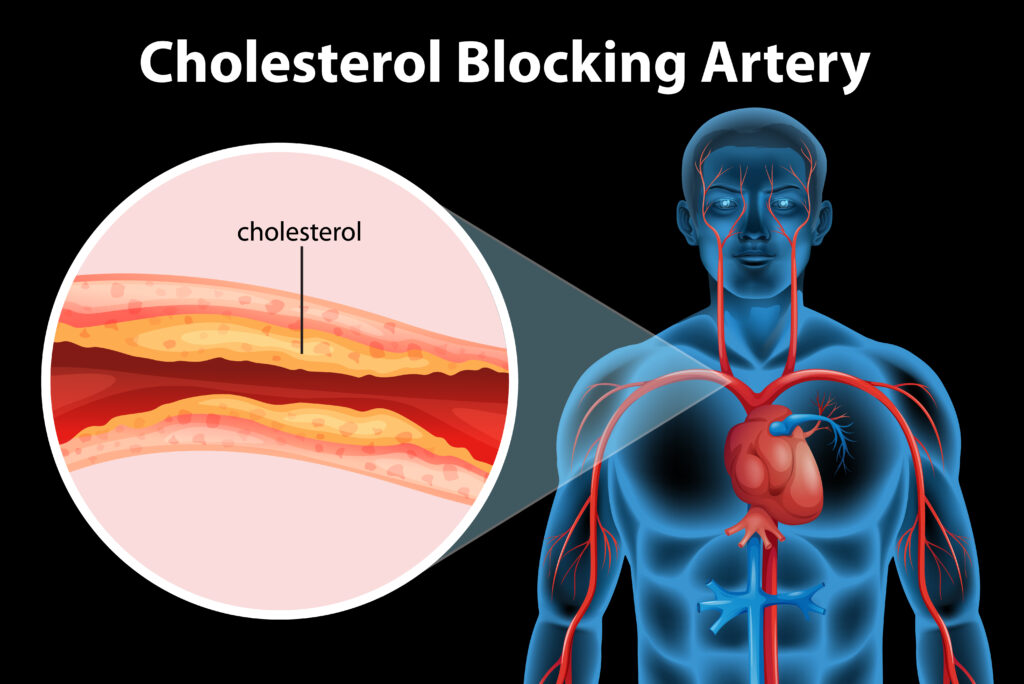
Cholesterol and triglycerides are blood fats linked to cardiovascular risk. After surgery and weight loss, these markers can improve in some patients. When blood fats improve, long term cardiovascular risk may reduce.
3) Inflammation May Reduce
Obesity is linked to chronic low grade inflammation in the body. This inflammation can affect blood vessels and contribute to long term risk. Weight loss may help lower inflammation, supporting better overall cardiovascular health.
4) Insulin Control May Improve
Insulin resistance is common in obesity and affects blood sugar control. Better insulin control can protect blood vessels and reduce strain on the heart over time. This is another reason the relationship between bariatric surgery and heart health is so important to discuss.

Metabolic Surgery Is Not a Shortcut
It is important to be clear and realistic: bariatric surgery is not a “quick fix.” It is a medical tool. Results tend to be better when patients commit to:
- Regular follow up appointments.
- Sustainable eating habits.
- Gradual activity progression that fits their ability and medical condition.
- Long term monitoring of weight and health markers.
This is also where the right care team matters. Surgery is one step. Follow up is the process that helps patients stay on track, identify early challenges, and adjust the plan when needed.

Practical Advice: Heart Friendly Steps Before and After Surgery
Whether a patient is considering surgery or has already had it, these practical steps support both weight and heart outcomes.
Know the Key Heart Numbers
Patients can discuss these with their doctor:
- Blood pressure readings.
- Cholesterol profile, including triglycerides.
- Blood sugar markers such as fasting glucose or HbA1c.
- Current medications and whether any may need monitoring during weight changes.
Build Repeatable Habits
The goal is not perfection. It is consistency. Many patients do best with a simple plan they can repeat:
- Prioritise protein at meals.
- Choose high fibre foods more often.
- Limit sugary drinks and frequent snacking.
- Aim for regular sleep.
- Add movement gradually and safely.
Keep Follow Up Non Negotiable
Follow up visits are not just “check ins.” They help:
- Monitor progress and nutrition.
- Track heart markers and medication needs.
- Catch small slips before they become bigger setbacks.
- Provide accountability and support.

When to Speak to a Specialist
Not everyone needs bariatric surgery. But if weight is affecting health markers like blood pressure and cholesterol, and lifestyle changes have not worked long term, it may be worth having an assessment.
A qualified specialist can evaluate:
- Current weight and medical history.
- Heart risk factors and existing conditions.
- Previous weight loss attempts.
- Readiness for follow up and long term changes.
This ensures the decision is safe, personalised, and based on medical needs rather than trends or pressure.

Conclusion
The biggest takeaway is this: bariatric surgery and heart health are closely linked, because improving weight can also improve major heart risk factors for some patients. Blood pressure, cholesterol, triglycerides, inflammation, and insulin control may improve after surgery, especially when combined with follow up and sustainable lifestyle changes.
If someone is wondering whether metabolic surgery could help their overall health, the next step is a proper assessment and an honest discussion of options.
If you are concerned about your weight and heart risk, consult a bariatric surgeon for a personalised plan.
