Snoring is often treated like a joke. But persistent, loud snoring can sometimes be a sign of obstructive sleep apnea, a condition where breathing repeatedly slows or stops during sleep. Many people are surprised to learn how closely sleep apnea and weight are connected. For some patients, weight loss can reduce symptoms, and in selected cases, metabolic surgery may be one option within a broader treatment plan.
This article explains the link between sleep apnea and weight, what symptoms to watch for, how doctors diagnose sleep apnea, and what practical steps may help.
What Is Sleep Apnea?
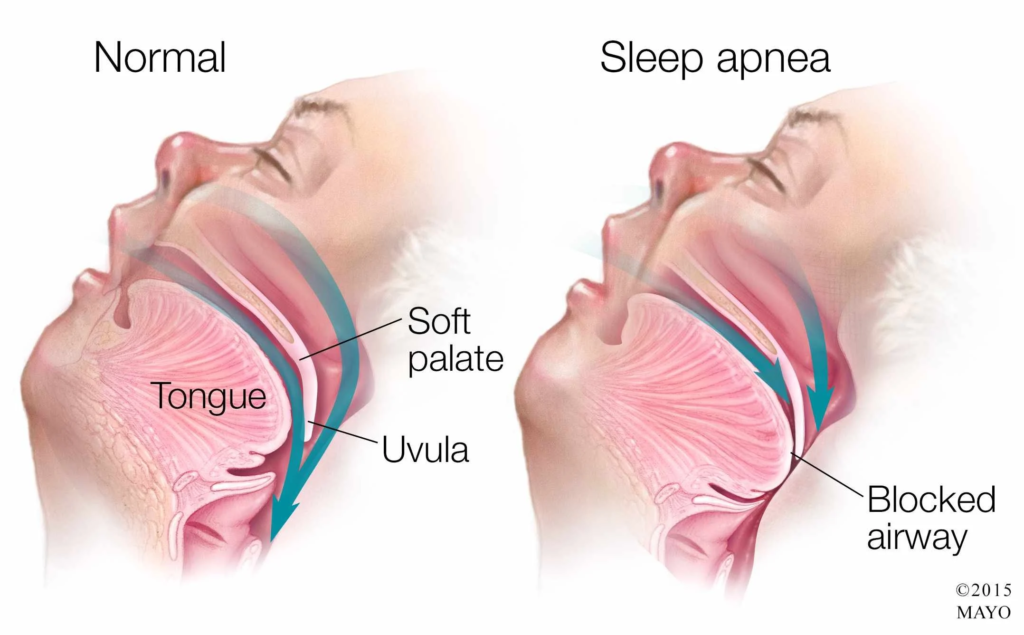
Obstructive sleep apnea happens when the airway narrows or collapses during sleep. When the airway becomes blocked, breathing can pause for short moments, sometimes dozens of times an hour. These repeated interruptions prevent deep, restorative sleep, even if a person spends 7 to 8 hours in bed.
Sleep apnea does not always look dramatic. Some people do not remember waking up. Instead, they notice they feel tired, irritable, or unfocused during the day.
Why Sleep Apnea and Weight Are Linked
The relationship between sleep apnea and weight is common and important. Extra weight, especially around the neck and upper body, can place pressure on the airway. During sleep, throat muscles naturally relax. When there is added tissue around the airway, it can narrow more easily, increasing the chance of partial blockage or full collapse.
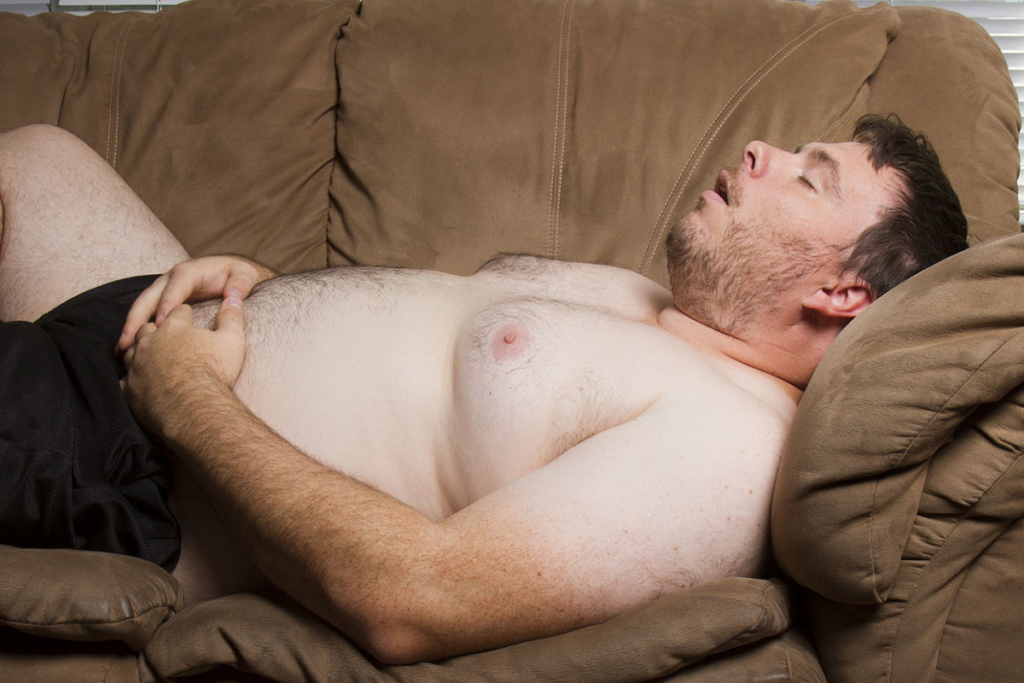
Weight carried around the belly can also affect breathing mechanics. It may reduce lung expansion when lying down, which can worsen nighttime breathing. This is one reason some people notice symptoms are worse when sleeping on their back.
It is also worth noting that the relationship can go both ways. Poor sleep can influence appetite and cravings, making weight management harder. That is why addressing sleep apnea and weight together often leads to better results.
Why Early Treatment Matters
Untreated sleep apnea can affect daily life. Many people feel exhausted despite “sleeping enough.” Over time, sleep apnea can also strain the cardiovascular system. It is linked with higher blood pressure and can place extra stress on the heart.
This does not mean every person who snores has sleep apnea. But when symptoms are persistent or getting worse, it is safer to get assessed rather than guessing.
Common Signs and Symptoms
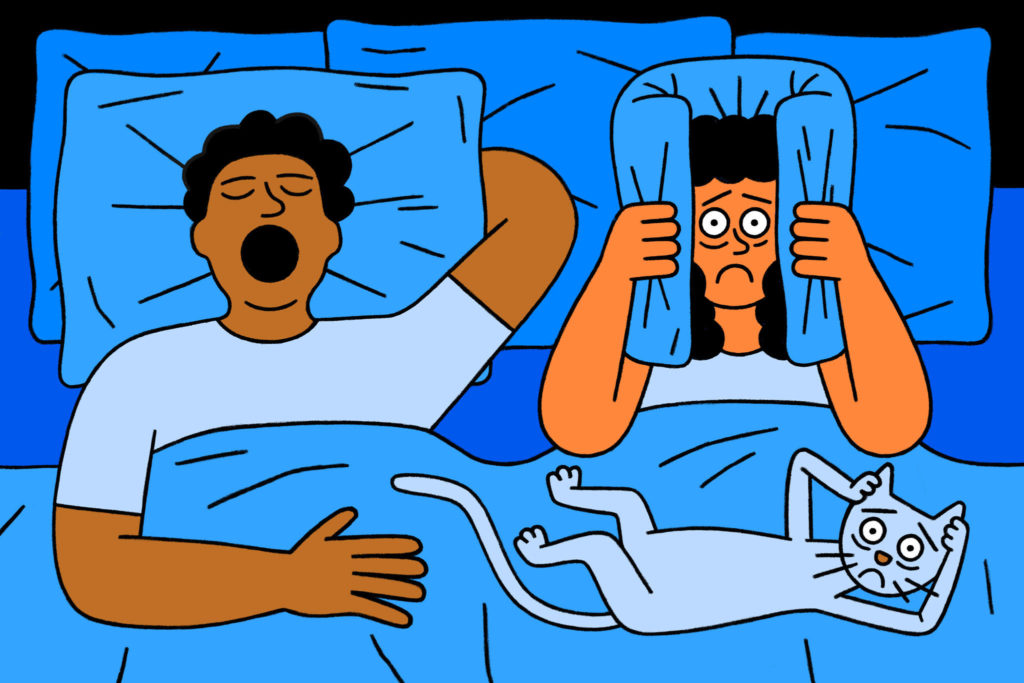
A helpful clue often comes from a bed partner or family member. Signs that may suggest sleep apnea include:
- Loud snoring that happens regularly
- Pauses in breathing during sleep that someone else notices
- Waking up choking, gasping, or feeling short of breath
- Waking up tired even after a full night in bed
- Morning headaches, dry mouth, or poor concentration during the day
If these symptoms sound familiar, it may be time to evaluate sleep apnea and weight as part of a broader health check.
How Sleep Apnea Is Diagnosed
The first step is proper testing. A doctor may ask about sleep patterns, symptoms, and health history, including weight changes and blood pressure. The main test is a sleep study, which measures breathing, oxygen levels, and sleep quality overnight.
Testing matters because not all snoring is sleep apnea, and not all sleep apnea is the same severity. A clear diagnosis helps guide treatment options that fit the individual.
Practical Ways to Reduce Symptoms
Treatment is not one size fits all. Practical steps often focus on reducing airway blockage and improving breathing at night. Depending on the patient, a doctor may recommend:
- Weight management support if excess weight is a contributing factor
- Sleep position adjustments, such as sleeping on the side
- Reducing alcohol intake near bedtime, as it relaxes throat muscles further
- Reviewing medications that may affect sleep quality
- Continuous positive airway pressure (CPAP), which keeps the airway open during sleep
- Other airway-focused treatments, depending on the cause and severity
For many people, addressing sleep apnea and weight together can improve sleep quality, daytime energy, and long-term health risks.
Can Metabolic Surgery Help Sleep Apnea?
Metabolic surgery, also called bariatric surgery, can lead to significant weight loss. In some patients, weight loss can reduce the severity of sleep apnea and improve symptoms. This can happen because less tissue around the airway reduces the chance of collapse, and overall breathing mechanics may improve.
However, metabolic surgery is not the first step for everyone. It is one possible option for selected patients after a proper assessment. The safest approach is to confirm sleep apnea with testing, evaluate health risks, and discuss all appropriate treatment pathways.
When doctors talk about sleep apnea and weight, the key message is that treatment should be personalised. Some patients benefit from CPAP alone. Others need weight management support, lifestyle adjustments, or combined care. For patients who meet criteria for metabolic surgery, it may be considered as part of long-term health planning.

When to Seek Medical Care Soon
Seek medical assessment promptly if:
- A partner notices breathing pauses during sleep
- You keep waking up gasping or choking
These signs do not confirm a diagnosis on their own, but they are important enough to check early.

Conclusion and Next Step
Snoring can be more than noise. For some people, it is a signal of sleep apnea, and sleep apnea and weight often play a connected role. The most important first step is proper testing, so the treatment plan is based on facts rather than assumptions.
If sleep apnea symptoms are affecting daily energy, focus, or overall health, consider speaking with a qualified doctor. If weight is a major contributing factor and other options have not worked, it may also be worth discussing whether metabolic surgery is appropriate. Consult a bariatric surgeon for an assessment and a plan that fits the patient’s needs and goals.
