Introduction
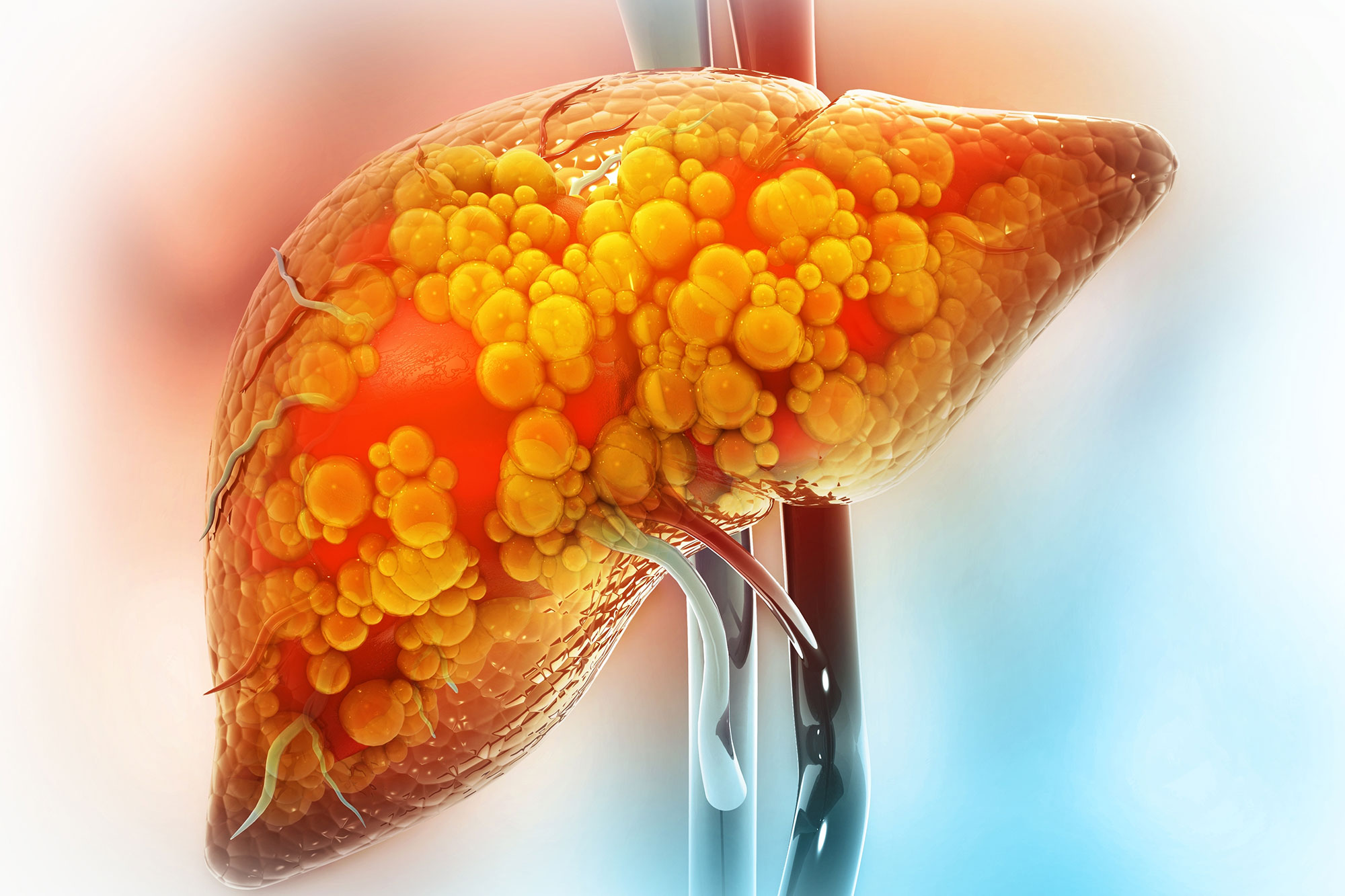
Fatty liver treatment is often overlooked because many people do not experience symptoms in the early stages. However, this condition can silently progress over time, even when a person feels completely well. Without proper management, it may lead to more serious liver complications.
While lifestyle changes remain the first step, some individuals may benefit from more advanced approaches, including metabolic or weight loss surgery. Understanding the full range of options is essential for protecting long-term liver health.
Understanding Fatty Liver and Its Progression
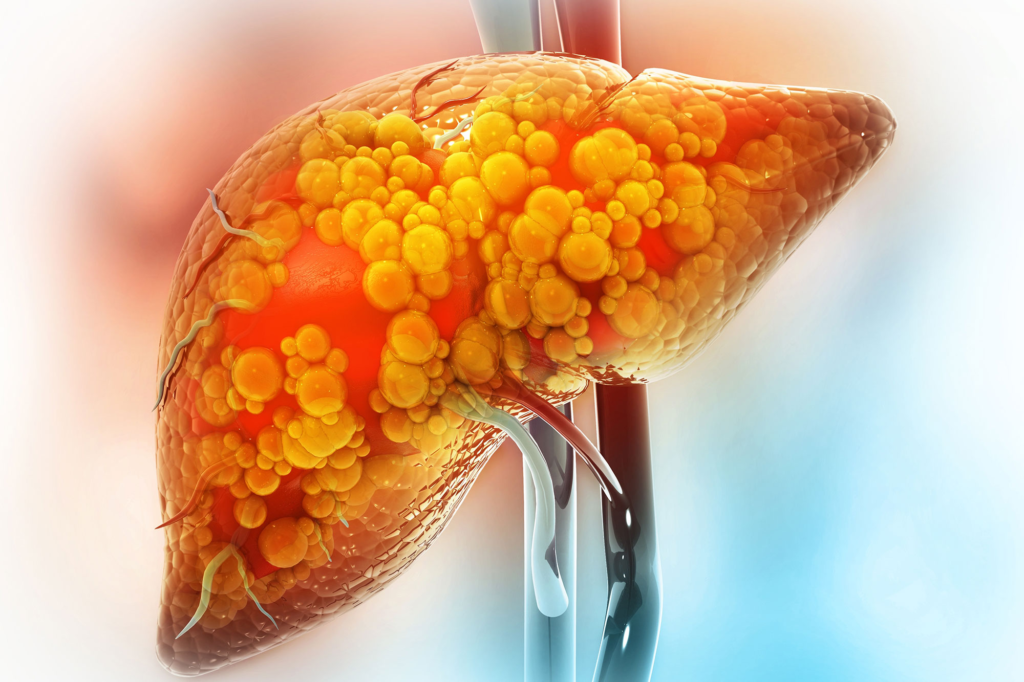
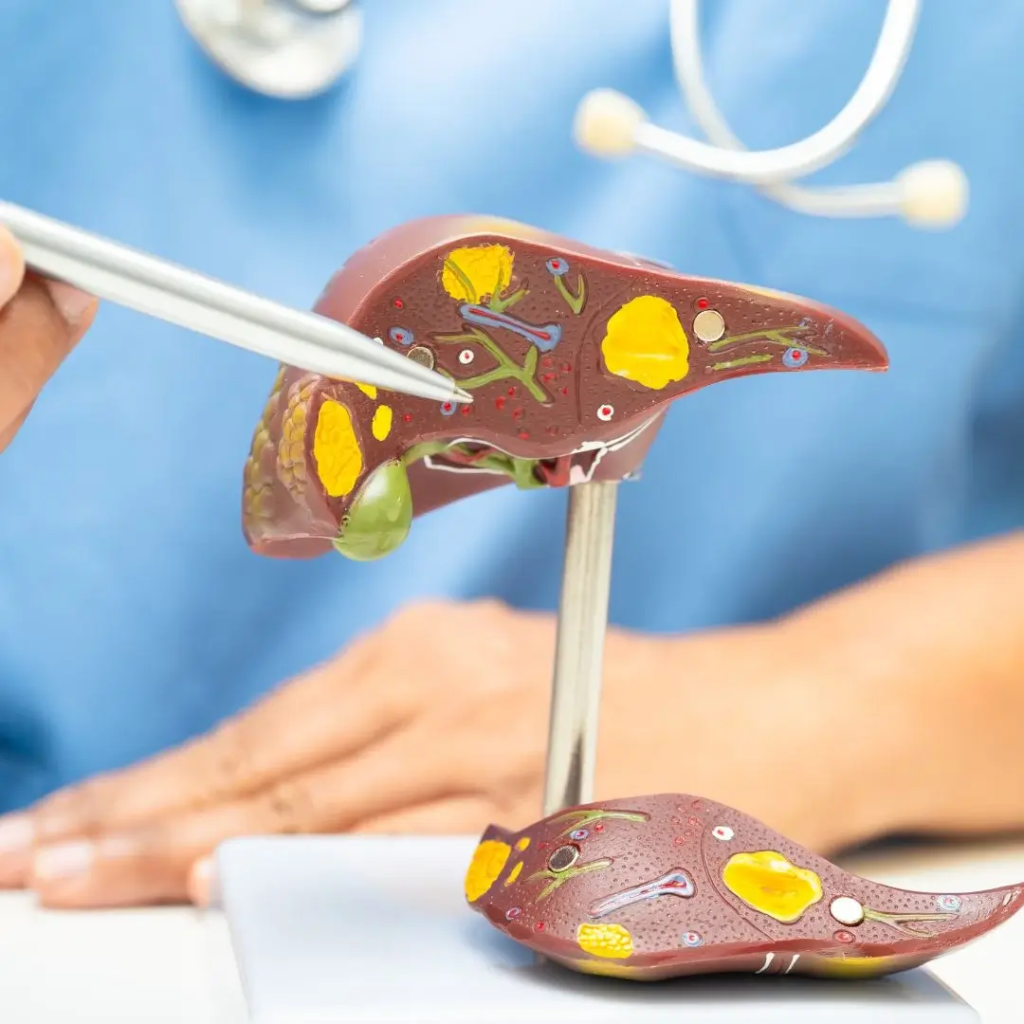
Fatty liver disease occurs when excess fat builds up in liver cells. It is commonly linked to obesity, insulin resistance, and metabolic syndrome. In its early stages, it may not cause noticeable symptoms and is often discovered during routine health checks.
If left unaddressed, the condition can progress to:
- Liver inflammation
- Fibrosis (scarring)
- Cirrhosis
- Increased risk of liver cancer
Early intervention plays a key role in slowing or even reversing disease progression.
Why Early Fatty Liver Treatment Matters
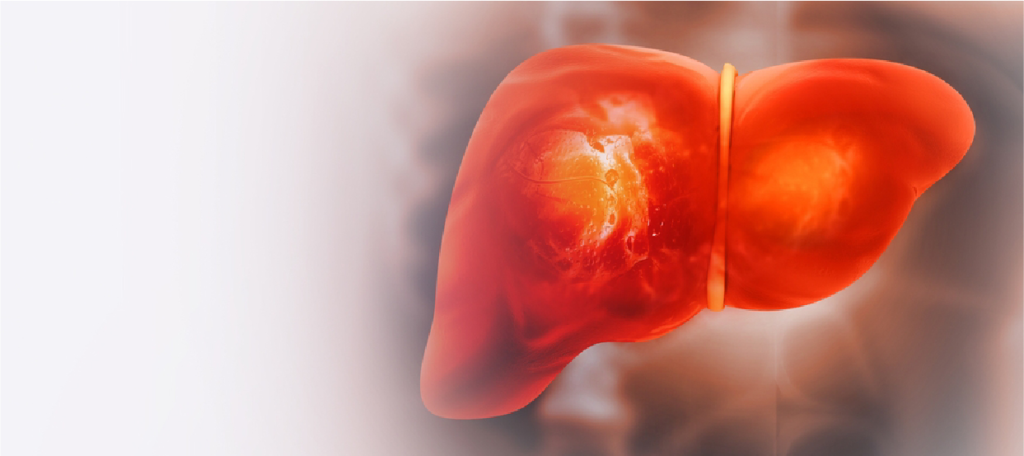
A common scenario involves someone being diagnosed during a routine check-up. Because they feel fine, they may not take action immediately.
Over time:
- Liver test results may worsen
- Imaging may show disease progression
- Weight and metabolic health may decline
By the time symptoms appear, the condition may already be more advanced. This is why timely fatty liver treatment is important rather than adopting a “wait and see” approach.

Fatty Liver Treatment Beyond Lifestyle Changes
1. Lifestyle Modifications
Lifestyle changes are the foundation of fatty liver treatment and include:
- Gradual, sustained weight loss
- Balanced, nutrient-rich diet
- Regular physical activity
- Improved blood sugar control
Even modest weight loss can significantly reduce liver fat and inflammation.

2. The Role of Weight Loss in Fatty Liver Treatment
Weight reduction plays a key role in improving liver health. When body weight decreases:
- Liver fat content often reduces
- Inflammation may improve
- Liver enzyme levels can normalise
However, not all patients are able to achieve or maintain sufficient weight loss through lifestyle changes alone.

3. Metabolic Surgery as a Fatty Liver Treatment Option
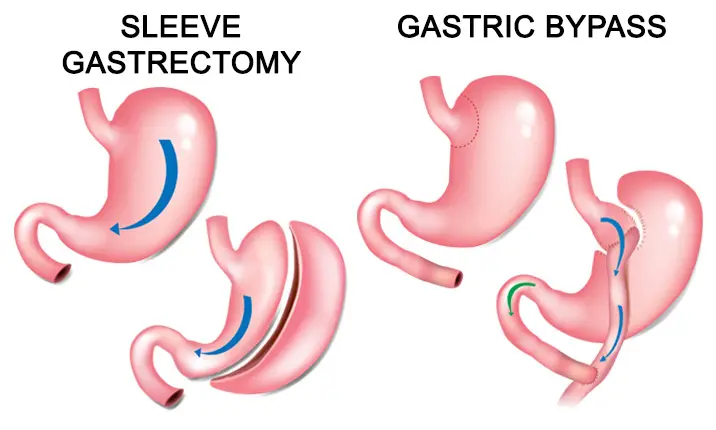
For selected individuals, metabolic (bariatric) surgery may be considered as part of fatty liver treatment. These procedures are designed to support significant and sustained weight loss, especially in patients with obesity and related metabolic conditions.
Potential benefits include:
- Reduction in liver fat
- Improvement in insulin resistance
- Decreased liver inflammation
- Better long-term weight management
Importantly, surgery is not solely about weight loss—it can also positively impact overall metabolic health, which directly affects the liver.
Is Surgery the Right Option for Everyone?
Surgical intervention is not suitable for all patients and is usually recommended only after a comprehensive medical evaluation. Factors considered include:
- Body mass index (BMI)
- Presence of conditions like diabetes
- Severity of liver disease
- Previous response to lifestyle changes
Patients are carefully monitored before and after the procedure to ensure safe and effective outcomes.
A Comprehensive Approach to Fatty Liver Treatment
The best results are achieved through a combination of strategies rather than relying on a single solution. A well-rounded plan typically includes:
- Regular medical monitoring
- Personalised nutrition guidance
- Physical activity planning
- Long-term follow-up
When appropriate, surgical intervention is used as part of a broader management strategy.

When to Seek Medical Advice
Certain signs indicate the need for prompt evaluation and fatty liver treatment:
- Persistently elevated liver enzymes
- Imaging results suggesting liver scarring
- Difficulty achieving weight loss despite efforts
- Co-existing metabolic conditions
Early consultation allows for proper diagnosis and timely intervention, reducing the risk of long-term complications.
Practical Tips for Managing Fatty Liver
For individuals diagnosed with fatty liver, the following steps can support effective management:
- Attend regular health check-ups
- Follow personalised dietary advice
- Stay physically active
- Avoid self-managing without professional guidance
- Discuss all available fatty liver treatment options with a doctor

Conclusion
Fatty liver is a common but potentially serious condition if left unmanaged. While many people improve with lifestyle changes, others may require additional support to achieve lasting results.
In selected cases, metabolic surgery can play an important role in fatty liver treatment by addressing underlying weight and metabolic issues. However, the most appropriate approach depends on individual health factors and requires proper assessment.
Anyone with ongoing abnormal liver tests or a diagnosis of fatty liver should consult a liver specialist and bariatric surgeon. A personalised plan can help protect liver health and improve overall well-being.
