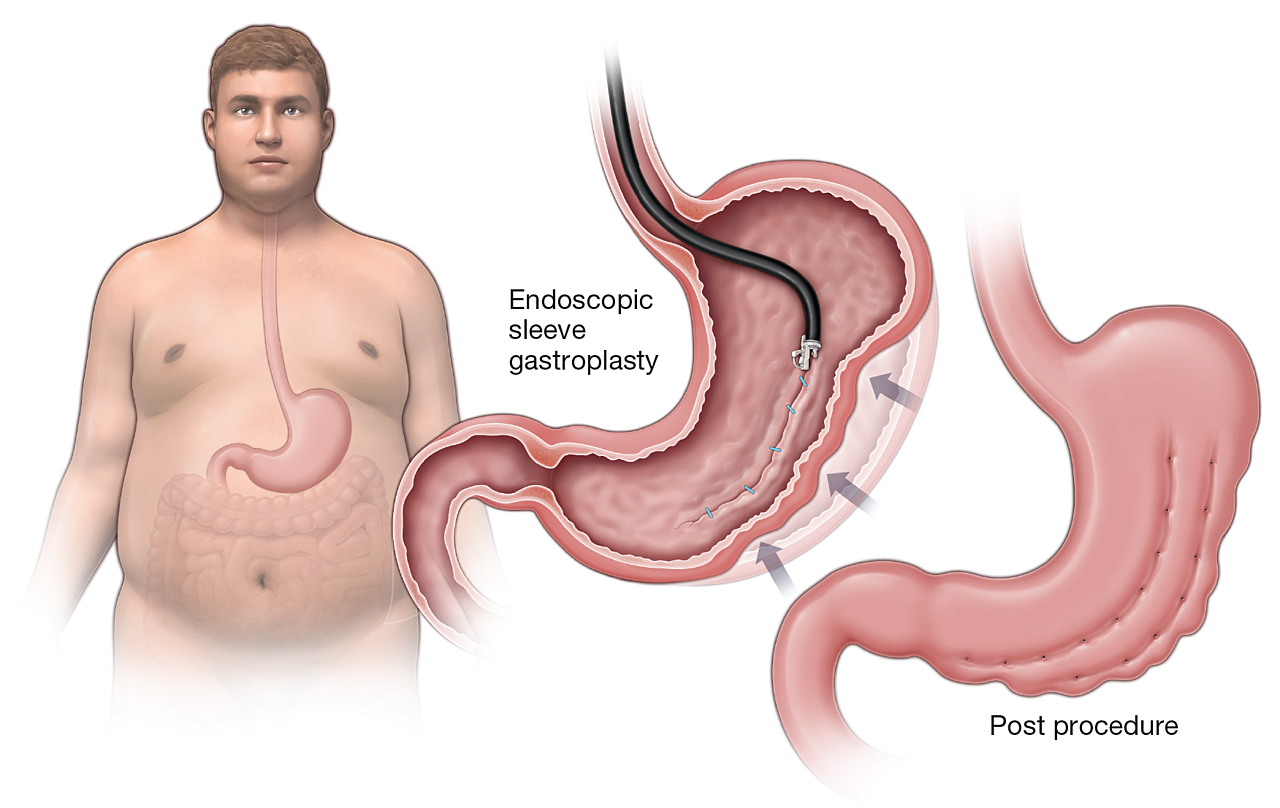
Endoscopic Sleeve Gastroplasty (ESG) is gaining attention as a less invasive option for people who struggle with weight regain despite repeated dieting and lifestyle changes. Many patients feel stuck in a frustrating cycle. They commit to diet plans, lose some weight, then regain it. They want help, but they are not ready for traditional weight loss surgery.
This is where Endoscopic Sleeve Gastroplasty (ESG) may come into the conversation. ESG is not a “quick fix”, and it is not for everyone. But for selected patients, it can be a practical, non cut approach that supports weight loss by helping them feel full earlier with smaller portions.
This article explains what Endoscopic Sleeve Gastroplasty (ESG) is, what it looks like inside the body, how it differs from bariatric surgery, and what matters most for long term results.
What Is Endoscopic Sleeve Gastroplasty (ESG)?
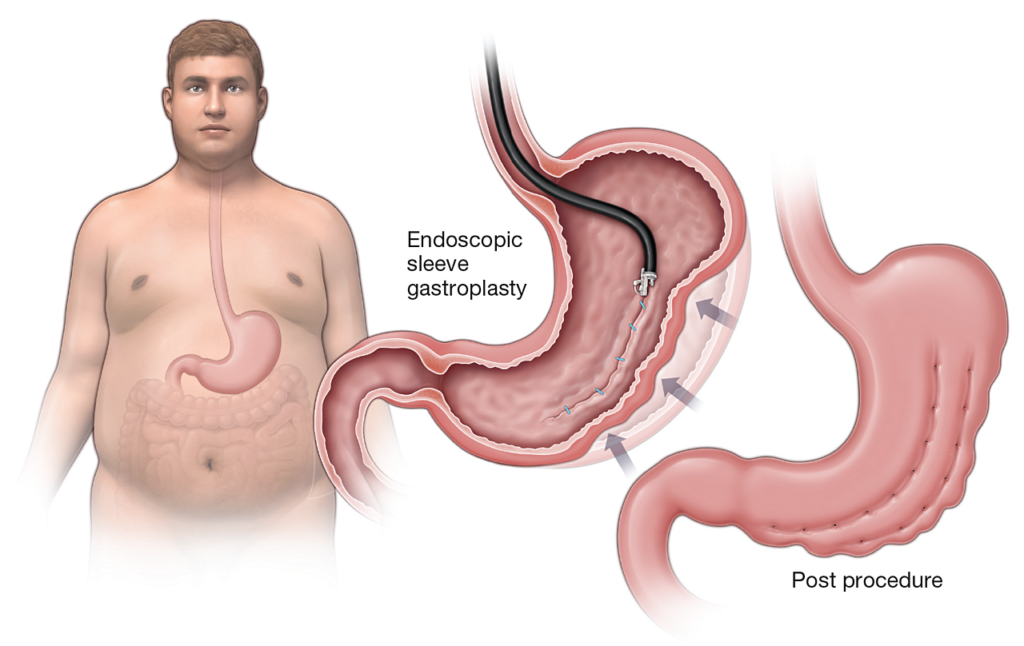
Endoscopic Sleeve Gastroplasty (ESG) is a weight loss procedure that makes the stomach smaller from the inside, without external cuts on the skin. Instead of operating through the abdomen, a doctor uses a flexible camera passed through the mouth and into the stomach.
Because Endoscopic Sleeve Gastroplasty (ESG) is done internally, it is often described as a “non cut” option. Patients do not have the same type of skin incisions seen in traditional laparoscopic surgery. This is one reason ESG may appeal to people who want a less invasive approach.
It is important to understand that ESG is still a medical procedure and should be evaluated carefully. The decision should be based on a proper assessment, not on trends or social media claims.
How Endoscopic Sleeve Gastroplasty (ESG) Works
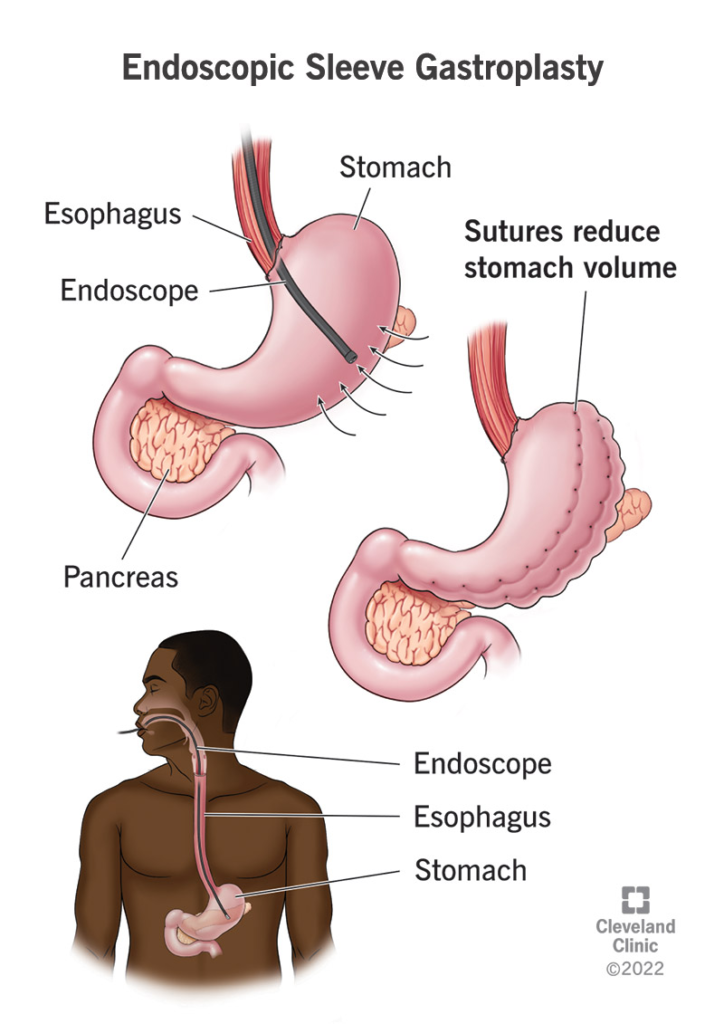
To picture Endoscopic Sleeve Gastroplasty (ESG), it helps to imagine reducing the stomach’s capacity by folding it in and securing those folds with stitches. During the procedure, a doctor places a series of stitches inside the stomach.
These stitches tighten the stomach in a way that is often explained as “folding and tightening, like a drawstring.” The goal is to create a smaller internal space, so the person feels full more easily and tends to eat smaller portions.
By helping patients feel satisfied sooner, Endoscopic Sleeve Gastroplasty (ESG) can support weight loss efforts, especially when paired with structured lifestyle changes and follow up support.
How ESG Differs From Bariatric Surgery
Many patients assume weight loss treatment only comes in two forms: lifestyle changes or surgery. In reality, there are different options, and Endoscopic Sleeve Gastroplasty (ESG) sits in a different space compared with traditional bariatric surgery.
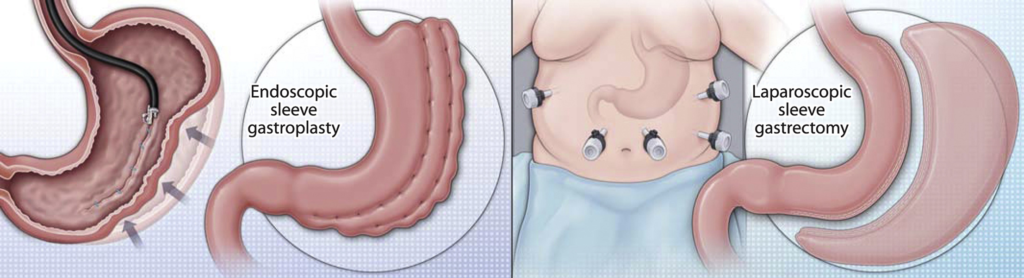
With bariatric surgery, the stomach is changed from the outside using surgery, often through small abdominal incisions. Depending on the procedure, surgery may involve permanently changing the stomach structure, and in some approaches, removing part of the stomach.
With Endoscopic Sleeve Gastroplasty (ESG), the stomach is reshaped from the inside without removing any part. This is one of the key differences patients should understand when comparing ESG and surgery.
That said, the “best” choice depends on the individual, including their health conditions, goals, and clinical suitability. A proper evaluation helps determine which option is safest and most appropriate.
Who Might Be Suitable for Endoscopic Sleeve Gastroplasty (ESG)?
Endoscopic Sleeve Gastroplasty (ESG) may be considered for people who are overweight and want a less invasive option than traditional surgery. It is often discussed for patients who have tried repeated lifestyle changes but continue to regain weight, or find it difficult to maintain progress long term.
Suitability depends on several factors, including:
- Body size and health status. This includes body mass index and obesity related health concerns.
- Medical history. Existing conditions can affect procedure safety and planning.
- Eating patterns and habits. ESG supports smaller portions, but daily habits still matter for results.
- Readiness for follow up. Long term success depends on ongoing support and behaviour change.
Because different patients have different needs, Endoscopic Sleeve Gastroplasty (ESG) should never be chosen based on a single number or a one size fits all rule.
What Matters Most for Results
One of the most important messages about Endoscopic Sleeve Gastroplasty (ESG) is that it is a tool, not a shortcut. The procedure can reduce stomach capacity and make it easier to feel full earlier, but it does not automatically create healthy habits.
Results still depend on:
- Eating habits. Patients do best when they follow a structured plan focused on balanced meals and portion awareness.
- Activity. Regular movement supports weight management and overall health.
- Follow up. Ongoing monitoring and support help patients adjust their plan and stay consistent.
People who treat ESG as one part of a wider, sustainable plan tend to have better long term outcomes than those who expect the procedure to do all the work.

Practical Advice for Patients Considering ESG
For patients exploring Endoscopic Sleeve Gastroplasty (ESG), the next step is not to self decide. The safest approach is to start with a proper medical assessment and an honest discussion of goals, expectations, and risks.
Practical steps that can help include:
- Track the real pattern. Many people think they “fail diets”, but the pattern is often repeated loss and regain. Bringing this history to a consultation helps the doctor understand what has been tried and what has not worked long term.
- Be clear about expectations. ESG supports weight loss, but it still requires lifestyle changes. Patients should be prepared for ongoing effort, not a one time fix.
- Plan for follow up early. Ask what follow up support looks like, including nutrition guidance, monitoring, and how progress is measured beyond the scale.
- Ask about suitability and safety. ESG may not be appropriate for every patient. A doctor will consider health status, eating patterns, and other medical factors before recommending any procedure.
When to Get Assessed
A medical assessment is worth considering if weight is affecting health, energy, or daily function, or if weight keeps returning despite lifestyle changes. These are common reasons patients start asking about Endoscopic Sleeve Gastroplasty (ESG) and other treatment options.
An assessment helps clarify the safest and most effective plan, which may include lifestyle support, medication, ESG, surgery, or a combination depending on the patient’s situation.

Final Thoughts
Endoscopic Sleeve Gastroplasty (ESG) can be a meaningful option for people who want help with weight loss but are not ready for traditional surgery. It reduces stomach capacity from the inside, without external cuts, and can help patients feel full more easily. However, the best results come when ESG is paired with consistent habits, activity, and proper follow up.
Anyone considering Endoscopic Sleeve Gastroplasty (ESG) should start with a personalised assessment and a clear discussion of options. If weight regain has been an ongoing struggle and health is being affected, consult Dr Pok, Consultant General and Upper GI Surgeon, to understand whether ESG is suitable and to plan the safest next step.
