Many people expect bariatric surgery to change how much they can eat. Fewer expect certain foods, especially sweets, to suddenly make them feel unwell. If a small dessert or sweet drink leaves someone cramps, bloating, diarrhea, dizzy, rapid heart rate, sweaty, nauseated, or needing to lie down, it may not be “weakness” or “food poisoning.” It could be dumping syndrome after bariatric surgery.
This article explains what dumping syndrome is in plain language, why it happens after weight loss procedures, what typically triggers it, and what patients can do to reduce episodes. It also covers when symptoms should be assessed by a doctor.

What Is Dumping Syndrome?
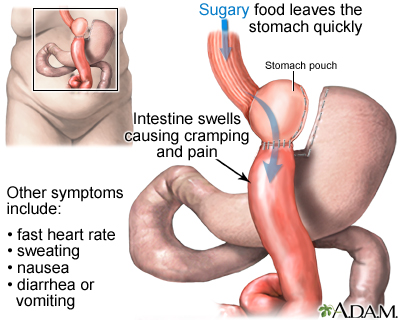
Dumping syndrome after bariatric surgery happens when food leaves the stomach and enters the small intestine too quickly. This rapid “dumping” can trigger uncomfortable symptoms because the intestine is suddenly handling a large amount of food, liquid, or sugar all at once.
After bariatric surgery, the stomach is often smaller and empties differently. That means certain meals can “hit” the small intestine faster than before, especially foods that are high in sugar or eaten too quickly.
Dumping syndrome is not a character flaw. It is a real physiological response that can happen after procedures that change the stomach’s size or how food passes through it.
Why Dumping Happens After Bariatric Surgery
Bariatric surgery changes the structure and function of the stomach. In many procedures, the stomach holds less and empties faster. When a person eats high sugar foods or drinks, the intestine may react strongly.
In simple terms, dumping syndrome after bariatric surgery can happen because:
- Food moves from the stomach to the small intestine too fast.
- Sugar heavy foods draw fluid into the intestine quickly.
- The body releases hormones that can cause symptoms like palpitations, sweating, and dizziness.
- Large portions or fast eating overwhelm the new stomach capacity.
This is why a meal that once felt normal can cause sudden discomfort after surgery.
Common Triggers: What Usually Sets It Off
Not everyone has the same triggers, but certain patterns are common in dumping syndrome after bariatric surgery.
Sugar heavy foods and drinks
These are among the most frequent triggers.
- Sweet drinks such as juice, sweetened tea, soft drinks, and sweet coffee drinks.
- Desserts such as cakes, pastries, ice cream, and candies.
Liquid sugar is especially risky because it empties quickly and is easy to consume fast.

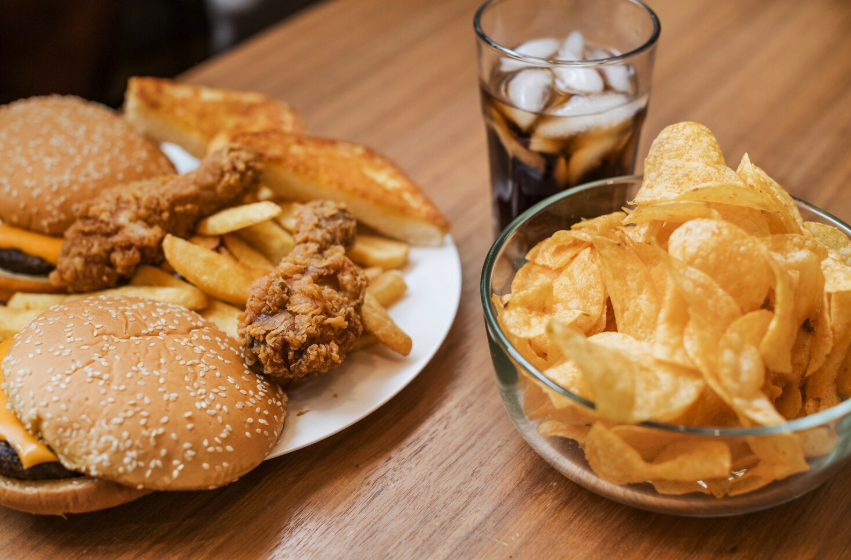
Very oily or heavy meals
Some people find that greasy or very oily foods worsen symptoms, especially when combined with large portions or fast eating.
Eating too much, too fast
Even a “healthy” meal can trigger symptoms if it is eaten quickly or in a portion that is too large for the new stomach.

Low protein, high refined carbs
Meals built mainly around refined carbohydrates can cause faster emptying and bigger blood sugar swings, which may worsen symptoms.
A dietitian can help identify personal triggers, because what triggers one person may be tolerated by another.

What Does Dumping Syndrome Feel Like?
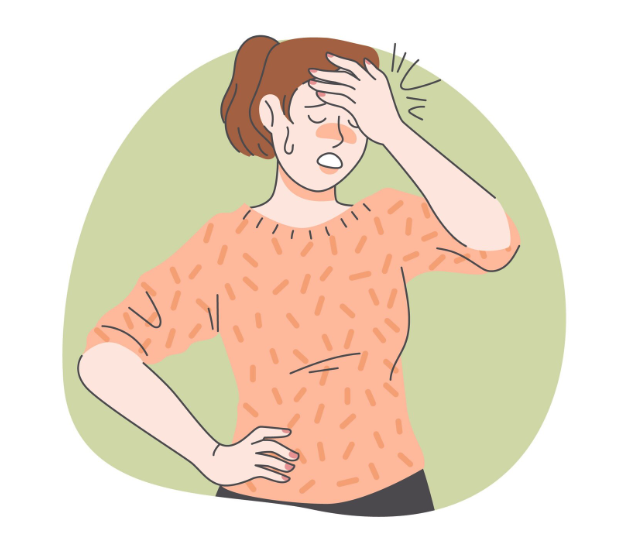
Symptoms can vary, and they can occur minutes after eating. Many people describe feeling suddenly unwell and needing to sit down or lie down. Some mistake it for food poisoning.
People with dumping syndrome after bariatric surgery may notice symptoms such as:
- Feeling weak, shaky, or lightheaded.
- Sweating or flushing.
- Nausea or stomach discomfort.
- Fast heartbeat or palpitations.
- Urgent need to rest.
Some people also experience symptoms later, especially if blood sugar drops after a high sugar meal. If symptoms are recurring, the safest next step is an assessment by the surgical team or a gastro specialist.
Practical Advice: How to Reduce Dumping Episodes
The goal is not to fear food. The goal is to eat in a way that supports recovery and makes symptoms less likely. These strategies are often recommended for dumping syndrome after bariatric surgery.
1) Eat smaller portions
Smaller portions reduce how quickly food passes into the intestine and lower the “shock” to the system.
A simple rule many patients find helpful is to stop at comfortable fullness, even if there is food left.
2) Start with protein
Protein first helps slow eating pace and supports fullness. It also stabilizes blood sugar and supports healing.
Examples include eggs, fish, chicken, tofu, yogurt, or protein rich soups, depending on the stage of recovery and dietary plan.
3) Limit sweet drinks and desserts
Sweet drinks are a common trigger because they empty quickly. Even “small sips” can add up.
Try these swaps:
- Choose plain water or sugar free beverages if advised by the care team.
- If craving sweetness, discuss safer options with a dietitian.
- Be cautious with sweetened milky coffee drinks and bubble tea style beverages.
4) Slow down and chew well
Eating slowly matters after surgery. It gives the stomach time to process food and reduces the chance of overloading the intestine.
Practical tips:
- Take smaller bites.
- Chew thoroughly.
- Pause between bites.
- Avoid distractions during meals when possible.
5) Watch meal balance
Meals that combine protein with fibre rich foods tend to be better tolerated than meals that are mostly refined carbs.
A dietitian can tailor this to the patient’s stage of post operative eating, because early recovery diets are different from long term maintenance diets.

What to Do During an Episode
If an episode happens, it can feel scary. The key is to respond calmly.
For dumping syndrome after bariatric surgery, common immediate steps include:
- Stop eating.
- Sit or lie down and rest.
- Sip water slowly if tolerated.
- Wait for symptoms to pass.
Afterwards, it helps to review what likely triggered it. Was it a sweet drink? Was the meal eaten too fast? Was the portion too large? Tracking patterns can reduce repeat episodes.
If symptoms are severe, frequent, or worsening, medical review is important.
When to See a Doctor
Occasional symptoms may improve as eating habits become more structured. But dumping syndrome after bariatric surgery should be assessed if it is disrupting daily life or recovery.
A patient should seek medical advice if:
- Episodes are frequent or getting worse.
- Symptoms are affecting hydration, nutrition, or confidence with eating.
- There is persistent vomiting, fainting, or inability to keep fluids down.
- There is uncertainty about whether symptoms are dumping or something else.
A healthcare team may review eating patterns, check for nutritional issues, and guide safer adjustments.

The Role of Follow Up Support
Many people try to “figure it out alone” after surgery. That often increases stress and can lead to trial and error that triggers symptoms repeatedly.
Post operative follow up is not just routine. It is part of treatment. Support from a bariatric surgeon and a dietitian can help patients:
- Understand what is normal versus what needs assessment.
- Identify triggers and adjust meals without overly restricting food.
- Meet protein and hydration goals.
- Build sustainable habits that protect long term results.
Conclusion
Dumping syndrome can be uncomfortable, but it is manageable. With the right education and a practical eating plan, many patients reduce episodes and regain confidence around food. The most important step is not to ignore repeated symptoms or keep triggering them without understanding why.
If dumping symptoms are frequent, worsening, or affecting recovery, it is wise to seek a proper assessment and support plan.
Consult your upper GI surgeon today. A structured, personalised plan can make eating feel safe again and help patients recover with confidence.
