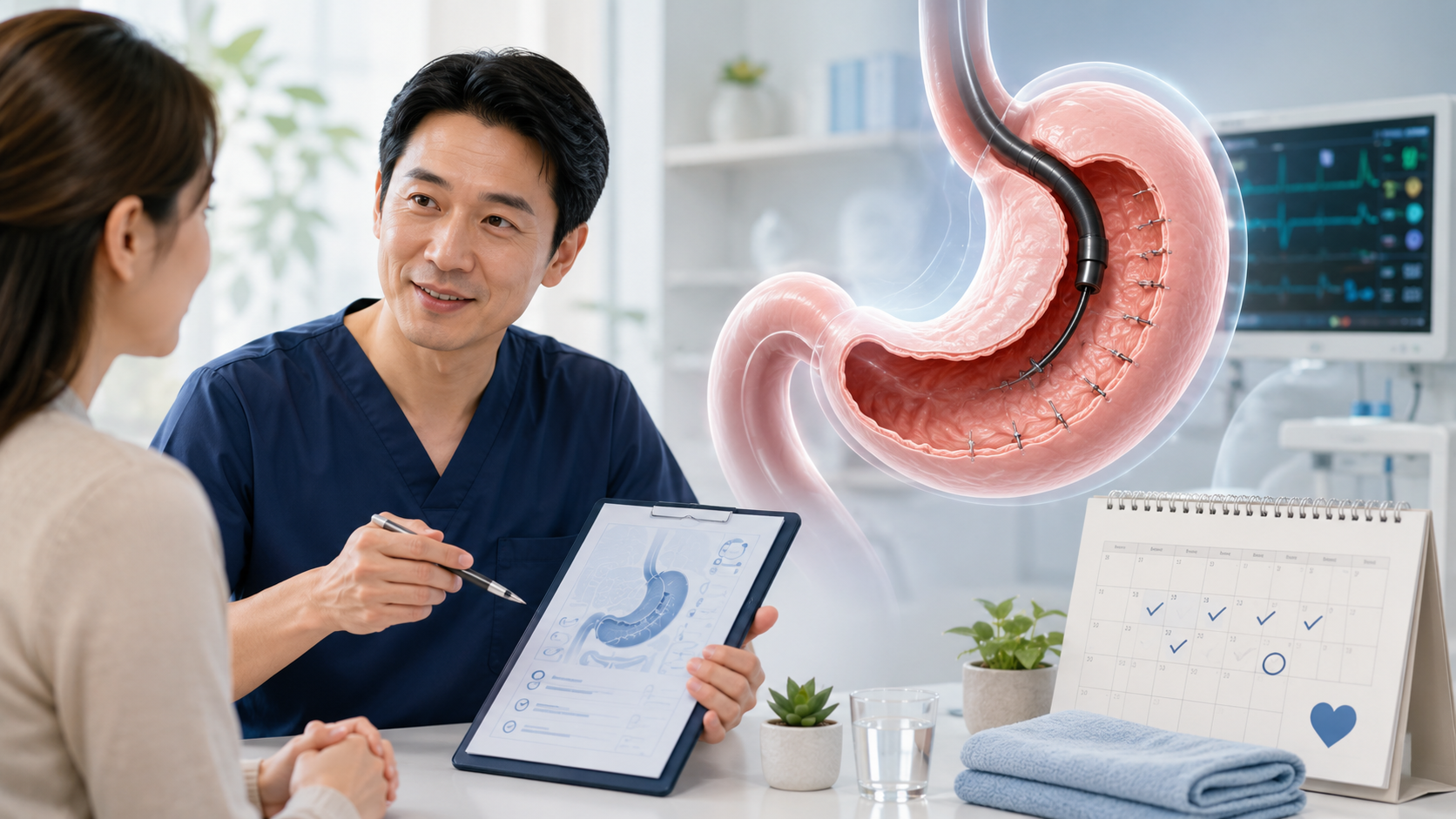
Endoscopic Sleeve Gastroplasty, commonly known as ESG, is becoming a more familiar option for people who are struggling with weight management. Because it does not involve external cuts or removal of the stomach, many patients see it as a less invasive option compared with traditional weight loss surgery. But an important question remains: is ESG safe?
The answer is that ESG can be safe for suitable patients when it is properly planned, performed in the right medical setting, and followed by a structured recovery and follow-up plan. However, like any medical procedure, it is not risk-free. Safety depends on careful patient selection, proper technique, and long-term support after the procedure.
This article explains how ESG works, what affects its safety, and what patients should consider before deciding if it is right for them.
What Is ESG?
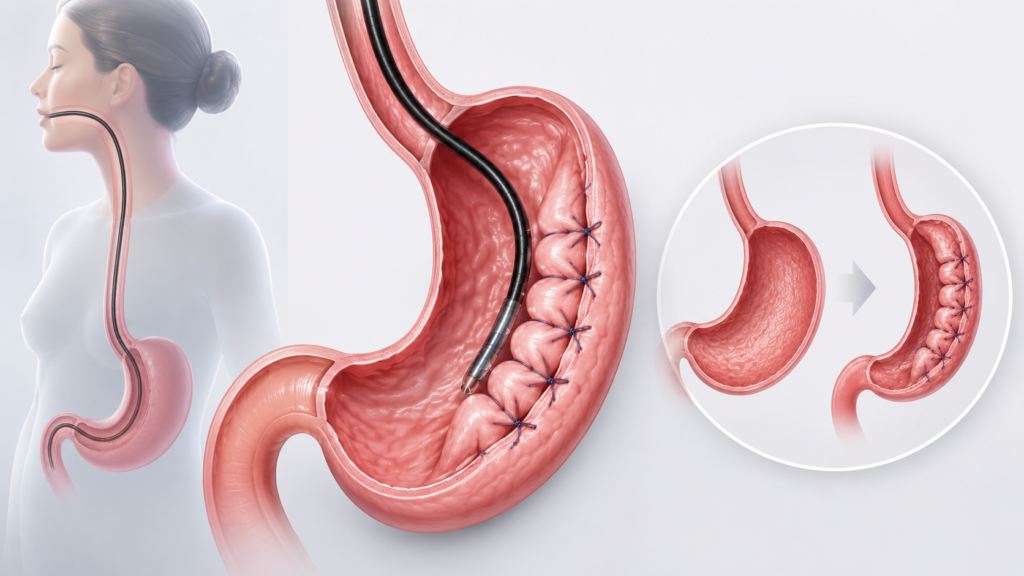
ESG is a non-surgical endoscopic weight loss procedure. It is performed using a flexible camera called an endoscope, which is inserted through the mouth into the stomach. Through this approach, the doctor places stitches inside the stomach to fold it and reduce its volume.
The aim is to help the patient feel full with smaller portions of food. Unlike some forms of bariatric surgery, ESG does not involve cutting out part of the stomach. There are also no external wounds or abdominal scars.
Because of this, many people ask: is ESG safe compared with surgery?
ESG is generally considered less invasive than traditional surgery, but safety is still not automatic. It depends on whether the patient is suitable, how the procedure is performed, and whether recovery instructions are followed carefully.
1. Proper Patient Selection Matters
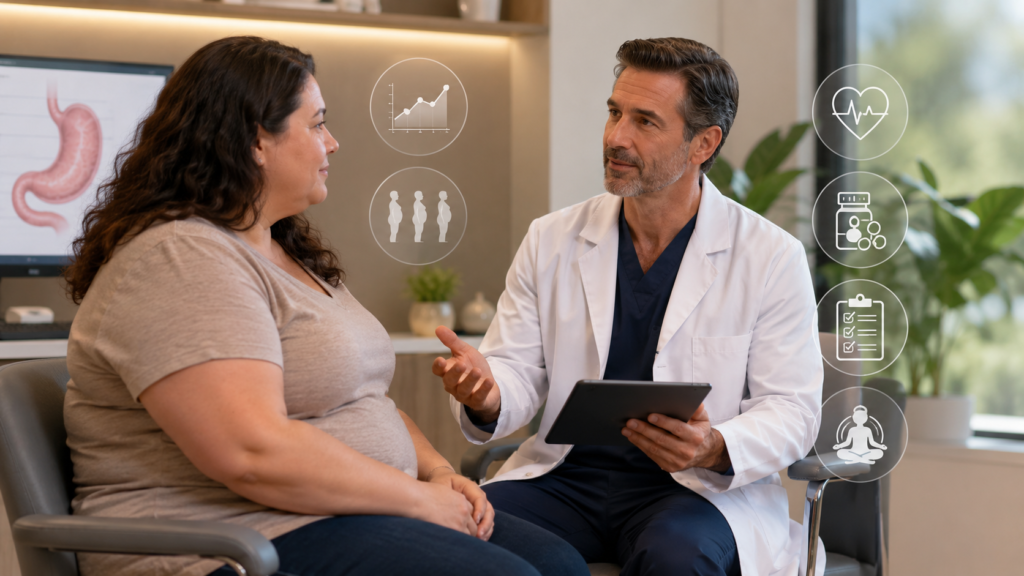
The first step in ESG safety is proper patient selection. Not everyone is suitable for ESG.
Before the procedure, patients usually need a thorough medical assessment. This may include reviewing their weight history, medical conditions, previous weight loss attempts, medications, eating patterns, and overall health.
This is important because some patients may benefit more from other treatment options, such as lifestyle therapy, medication, or bariatric surgery. Others may have medical risks that need to be managed before ESG can be considered.
A proper assessment helps answer the question: is ESG safe for this particular patient?
Screening is not just a formality. It helps reduce unnecessary risks and ensures that the procedure is chosen for the right reasons. Patients should not decide based only on convenience, social media trends, or the idea that it is “easier” than surgery.
2. ESG Should Be Done in a Controlled Medical Setting
Another key safety factor is where and how ESG is performed.
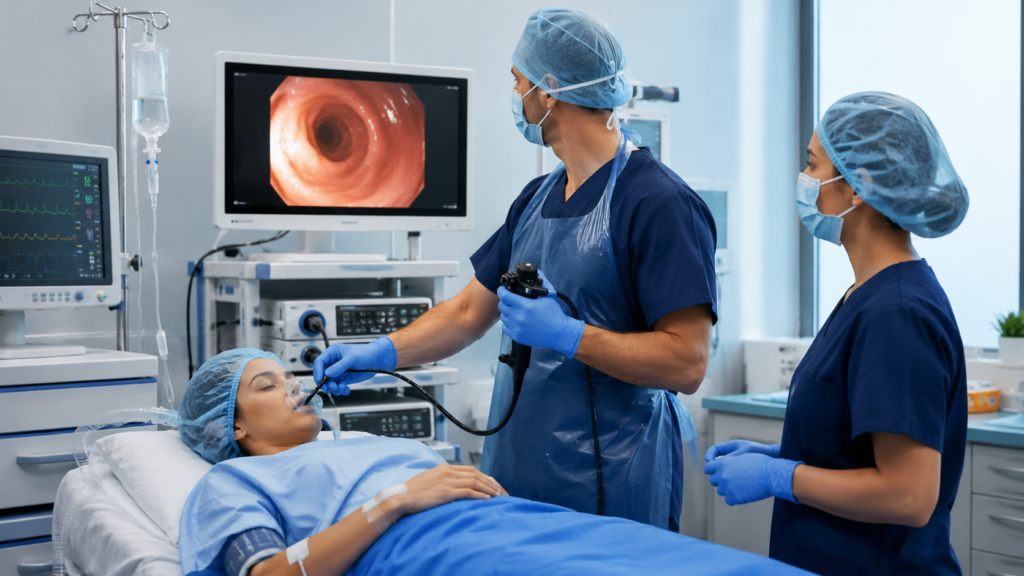
ESG should be done in a proper medical setting with trained professionals and appropriate monitoring. During the procedure, the patient is usually under anaesthesia, and the medical team monitors breathing, heart rate, blood pressure, and overall stability.
The procedure is done through the mouth using a camera, which avoids external cuts. This may reduce surgical trauma compared with open or laparoscopic surgery. However, it still requires skill, experience, and proper equipment.
When patients ask, is ESG safe, it is important to understand that the procedure is not just about the technique. It is also about the team, the setup, and how well potential problems can be managed if they occur.
3. A Structured Recovery Plan Helps Reduce Problems
Safety does not end when the procedure is completed.
After ESG, the stomach needs time to heal and adjust. Patients are usually given a staged diet plan that progresses gradually. This may start with liquids, then move to soft foods, and later to more regular textures, depending on the doctor’s and dietitian’s guidance.
Following this recovery plan is important. Eating too much too soon, advancing food textures too quickly, or ignoring symptoms may increase discomfort and affect recovery.
A guided recovery plan can help reduce problems such as nausea, vomiting, dehydration, pain, or poor tolerance of food. It also helps patients learn new eating habits that support long-term results.
So, is ESG safe after the procedure? It depends partly on how well the patient follows the recovery instructions and whether they seek help early if something feels wrong.

4. Follow-Up Is Part of Safety
Follow-up is one of the most important parts of ESG care.
Regular follow-up allows the healthcare team to check healing, review symptoms, monitor weight loss progress, and identify small issues before they become more serious. It also gives patients a chance to ask questions and adjust their eating plan.
Patients may also need support from a dietitian or other healthcare professionals to build sustainable habits. ESG is a tool, not a complete solution by itself.
Skipping follow-up may increase the chance that small problems go unnoticed. For example, a patient may start eating larger portions again, rely on soft high-calorie foods, or struggle with hydration without realising these habits are affecting recovery and results.
This is why the answer to is ESG safe must include follow-up. The procedure may be less invasive, but ongoing care still matters.

Practical Advice Before Considering ESG
Patients who are thinking about ESG should take a few practical steps before deciding.
First, they should have a proper consultation with a qualified doctor who is experienced in weight management and endoscopic or bariatric procedures. This helps determine whether ESG is suitable.
Second, patients should be honest about their medical history, eating patterns, previous weight loss attempts, and expectations. This helps the doctor recommend the safest option.
Third, patients should understand the recovery process before going ahead. This includes diet stages, hydration, warning symptoms, activity, and follow-up appointments.
Fourth, patients should ask about long-term support. ESG works best when it is combined with lifestyle changes, nutrition guidance, and regular review.
When Should Patients Get Checked?
Patients should consider a proper assessment if they are struggling with weight despite repeated attempts, or if they have obesity-related health conditions such as type 2 diabetes, high blood pressure, sleep apnea, or fatty liver.
They should also get checked if they are interested in ESG but are unsure whether it is suitable for them.
A consultation does not mean the patient must proceed with the procedure. It simply helps them understand their options clearly and safely.

Conclusion: Is ESG Safe?
So, is ESG safe?
For suitable patients, ESG can be a safe and less invasive weight management option when it is done with proper screening, a controlled procedure setting, a structured recovery plan, and regular follow-up.
However, it should not be viewed as a shortcut or a one-time fix. The safest outcomes come from careful assessment, realistic expectations, and long-term support.
Patients who are considering ESG should consult a general and upper GI surgeon or bariatric specialist to understand whether the procedure is appropriate for their health needs. Safety starts with the right evaluation and the right guidance.
